
Pregnancy
How does spinal anesthesia, general anesthesia, and catheterization work in a C-section?
Learn about spinal and epidural anesthesia, when general anesthesia might be chosen, the difference between a urinary catheter and an IV line, and questions to ask during preparation.

Short answer: usually awake with lower body numbed
During a C-section, regional anesthesia—spinal, epidural, or a suitable combination of both—is often used. The lower part of your body is numbed, you remain awake, and you can talk to the team. With general anesthesia, you are put to sleep. The choice is evaluated based on the urgency of the surgery, your health, previous anesthesia experience, and the suitability of regional anesthesia.
The word “catheter” is used for various tubes. A urinary catheter can refer to one in the bladder, an epidural catheter to the area in the back where anesthetic medication is delivered, and an IV line to a vein in the hand or arm. These are not interchangeable. During your preparation appointment, ask them to explain in simple terms which one will be inserted, why, and at what stage.
What is the difference between spinal and epidural?
In spinal anesthesia, anesthetic medication is injected into the lower back, not directly into the spinal cord, but into the appropriate fluid-filled space. It usually starts with a single injection, and its effect is relatively fast. In an epidural, medication can be delivered through a thin, flexible catheter placed in the epidural space. An epidural that is already working for labor pain can sometimes be strengthened with additional medication suitable for surgery.
The team sometimes chooses a combined spinal-epidural method. Which option is suitable for you and how long the effect will last is individual. The healthcare professional will show you how to sit or lie down during needle placement. If you have needle phobia, back surgery, or previous difficulties, mention it beforehand; do not plan the procedure yourself based on an internet video.
When might general anesthesia be necessary?
General anesthesia may be chosen in some emergency situations, when regional methods are unsuitable, or when regional numbing is insufficient. Not every emergency C-section automatically means general anesthesia. The team determines the most suitable option based on the situation and time. The anesthesiologist monitors breathing and vital signs, and monitoring continues during the recovery phase after surgery.
In general anesthesia, the birth partner is usually not in the operating room. Their presence may be possible with regional methods, but facility policy and clinical condition are key. Seeing the baby, skin-to-skin contact, and feeding are arranged at an appropriate time for mother and baby; do not assume these will happen immediately in all circumstances.
What information is important to provide before surgery?
Report all medications you are taking, allergies, previous anesthesia and surgeries, back and spinal problems, clotting disorders, and bleeding history. If you are taking blood thinners, state the exact time of your last dose. Platelet and other relevant analyses may need to be reviewed. Do not make the decision to stop medication or change the dose yourself.
Get written instructions from the medical team about when to stop food and fluids. The requirements for solid food, various liquids, and medications may not be the same; do not apply a general internet rule about timing. If you have eaten or drunk outside of the instructions, do not hide it. In an emergency, inform the team of your last meal time; do not wait to receive help.
What can I feel while awake?
With regional anesthesia, you may feel warmth, heaviness, and numbness in your legs. Before surgery, the team checks if the block is sufficient. You may feel pressure and pulling, but do not consider sharp or burning pain as “normal discomfort you have to endure.” If you feel pain, tell the anesthesiologist immediately. The team can reassess the situation, take additional measures, and change the anesthesia plan if necessary.
Nausea, chills, itching, and dizziness are also sensations to report. Some effects are managed with medication and other measures; there is no need to suffer in silence. State what worries you most beforehand and know who to talk to during the surgery. Being awake does not mean you are forced to see the surgical field.
Why is a urinary catheter inserted?
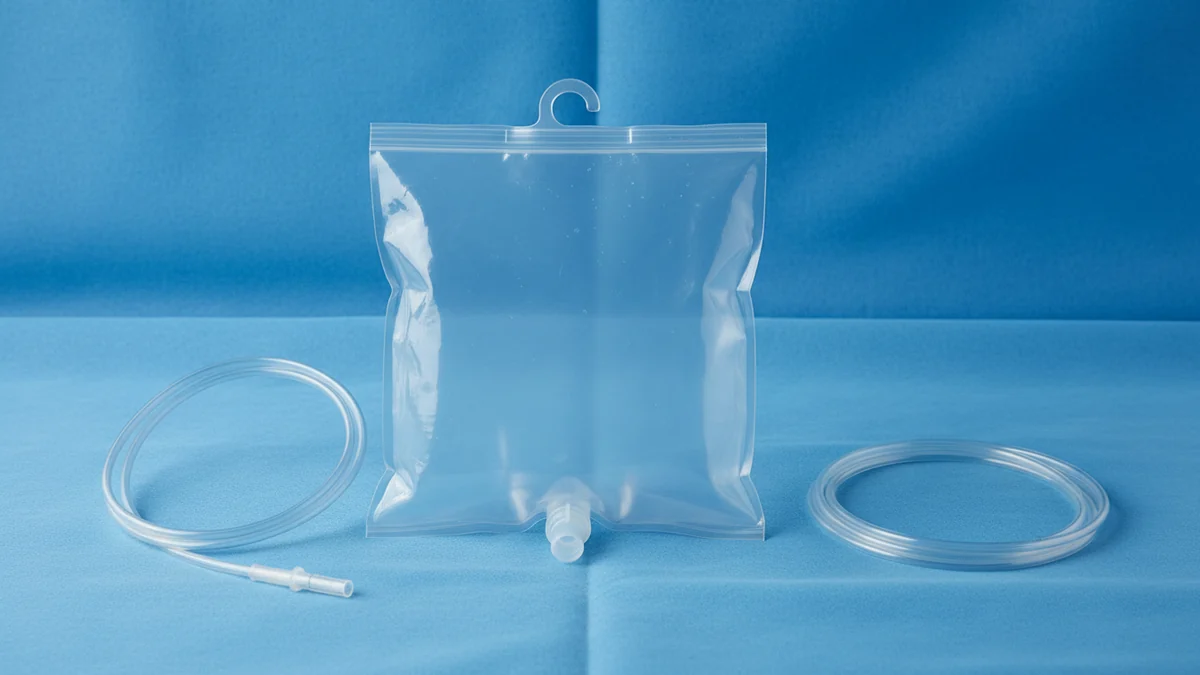
A urinary catheter is a thin, flexible tube inserted to keep the bladder empty and to monitor urine output if needed. Since sensation and movement temporarily change during regional anesthesia, the bladder is emptied before it becomes too full. This does not replace an epidural catheter. The placement of a urinary catheter before or after regional numbing may vary according to local procedure and your condition.
The procedure is performed by a professional healthcare worker with appropriate hygiene, privacy, and explanation. Ask what you might feel, and report any pain or discomfort. Do not remove or pull the collection bag and tube yourself. If you notice the tube is pulled, not draining, or feel increasing pain in your bladder, tell the healthcare worker.
Do not confuse with IV lines and other tubes
An IV line in the hand or arm is for administering fluids and medications, and providing other treatment if needed. An epidural catheter is in the anesthesia area, and a urinary catheter is in the bladder. It is normal to ask separately about the purpose of each tube and when it will be removed; the phrase “the catheter will stay” may not be clear enough.
| Name | Location and purpose |
|---|---|
| Spinal injection | Regional anesthetic medication given in the appropriate area of the back |
| Epidural catheter | Thin tube for delivering medication to the epidural space |
| Urinary catheter | To empty the bladder and monitor urine output |
| IV line | To administer fluids and medications through a vein in the hand or arm |
Catheter removal and first mobilization
The team determines the timing of urinary catheter removal based on the return of sensation and movement, the last anesthetic medication, urine output, and clinical condition. Although some patient information may provide time examples, there is no guarantee of the same time for everyone. Ask when the first urination is expected after removal and who to notify if it doesn't happen.
The first getting up and walking is done with the support of a healthcare professional, when the team deems it appropriate. Do not get up alone if your legs are numb or weak. The plan for pain relief, fluids, and reducing clot risk is individualized. Get written instructions for discharge regarding wound care, urination, movement, and medication; plan for your own recovery, not just the baby's discharge.

Ask at admission, report new concerns
Note down questions like: “Which anesthesia seems suitable for me?”, “What will you do if I feel pain?”, “When is the catheter inserted and how is it removed?”, “What are my instructions for food, fluids, and medication?” You can save the date of your anesthesiologist appointment in the Anacan Calendar. This is organizational help, not an anesthesia choice or medication prescription.
After surgery, seek advice from the team without delay for severe pain, inability to urinate, pain during urination, fever, or wound discharge. Emergency help is needed for heavy bleeding, chest pain, shortness of breath, or fainting. New swelling and pain in one leg should also be evaluated quickly. Do not wait for a severe headache at home, especially one that worsens when sitting or standing, considering it a “normal effect of numbing”; contact your maternity service.
Frequently Asked Questions
Are spinal and epidural the same procedure?
No. Both can be regional anesthesia, but the area where the medication is delivered and the method are different. Spinal is usually an injection, while epidural can deliver medication through a thin catheter. Your anesthesiologist determines the suitable option for you.
Are they always put to sleep for an emergency C-section?
No. Urgency, existing epidural, suitability of regional method, and time are considered. Regional anesthesia is possible in some emergency surgeries; general anesthesia is chosen when clinically necessary.
Should I speak up if I feel pain during surgery?
Yes, tell them immediately. You may feel pressure and pulling, but there is no need to silently endure sharp or burning pain. The team can reassess the block and take additional measures or change the anesthesia.
Is a urinary catheter the same as an epidural catheter?
No. A urinary catheter empties the bladder. An epidural catheter is for delivering anesthetic medication to the appropriate area in the back. An IV line in the hand or arm also serves a separate purpose.
Is the urinary catheter removed at the same time for everyone?
No. The team determines the timing based on the recovery of movement and sensation, the last regional medication, and clinical condition. Do not remove the catheter yourself; ask about the urination plan after removal.
Should I stop my blood thinner medication myself for anesthesia?
No. Tell the team the name, dosage, and last intake time of your medication. The doctor provides instructions for stopping and restarting. Clarify food and fluid instructions individually and in writing as well.
Continue in the app
References
- NICE NG192: Caesarean birth decision, anaesthesia and postnatal care
- NHS: Preparing for a caesarean and what happens during the operation
- RCOG: Planned caesarean birth and vaginal birth choices
- NHS: Recovering from a caesarean and signs to get help
- OAA Labour Pains: What happens during a spinal and epidural
- OAA Labour Pains: Headache after spinal and epidural