Pregnancy
Unbearable Period Pains (Dysmenorrhea): Natural Remedies and When to See a Doctor
Why do severe pains (dysmenorrhea) occur during menstruation? 5 natural ways to relieve pain at home: heat, herbal teas, and massage. Suspected endometriosis and cases when a doctor should be consulted.
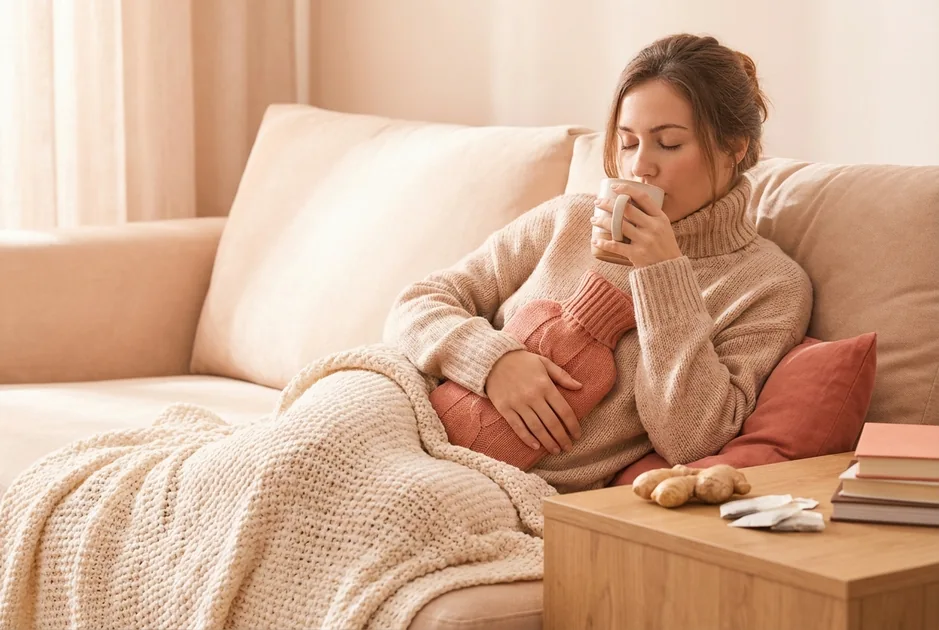
Do you feel a sense of fear as those days of the month approach? Do you find yourself unable to get out of bed, taking time off from work or school during the first few days? Even if those around you dismiss your pain by saying, "This is a woman's lot, you must endure it" or "It will pass when you get married," you know that this pain is not normal.
Painful menstruation, medically known as Dysmenorrhea, is a problem that reduces the quality of life for millions of women worldwide. However, "enduring it" is not the only way out.
In this article, we will explore the real causes of cramps, natural methods you can try before reaching for painkillers, and when this pain might be a sign of a serious condition (such as Endometriosis).
Why does it hurt?
During menstruation, the uterus (womb) contracts to expel its lining (the endometrium). Substances called Prostaglandins trigger these contractions.
Simple explanation: The higher the prostaglandin levels, the more forcefully the uterus contracts, which temporarily cuts off blood flow and causes sharp pain. This is Primary Dysmenorrhea and is usually seen in young women.
However, if the pain is caused by other factors (cysts, fibroids, endometriosis), it is called Secondary Dysmenorrhea and requires medical treatment.
At-Home First Aid: 5 Natural Remedies
If you prefer not to take medication or want relief while waiting for it to kick in, try these methods:
1. Heat (Heating Pad) – The oldest and most effective method
The old-fashioned advice to "put something warm on your belly" is scientifically proven. Heat relaxes the uterine muscles and increases blood circulation.
How to do it: Place a hot water bottle or a warm ironed towel on your lower abdomen. Taking a warm shower provides a similar effect.
2. Miraculous Herbal Teas
Certain plants have natural antispasmodic (spasm-relieving) properties.
Chamomile (Romaşka): Its calming effect relaxes both nerves and muscles.
Ginger: It has powerful anti-inflammatory effects. Grate fresh ginger and brew it as a tea.
Cinnamon: Helps regulate bleeding and reduce pain.
3. Magnesium-rich foods
Magnesium is a "natural relaxant." Increase your intake of magnesium-rich foods a few days before your period starts.
What to eat: Bananas, dark chocolate (yes, chocolate!), almonds, spinach, and pumpkin seeds.
4. Massage and Essential Oils
Massaging the lower abdomen with gentle circular motions can help reduce spasms.
Recipe: Mix a few drops of Lavender or Peppermint oil into a carrier oil (like olive or almond oil). Lavender calms, while peppermint acts as a mild "numbing" agent for the pain.
5. Keep Moving (Don't stay curled up on the couch)
We know that moving is the last thing you want to do when in pain. However, light walking or specific yoga poses (such as "Child's Pose" or "Cat-Cow") increase endorphin release, acting as a natural painkiller.
When to see a doctor?
Not every menstrual cramp is normal. If you experience the following, it might be a medical issue rather than just a "trait":
Medications don't help: If the pain persists despite taking Ibuprofen or other painkillers.
Life is disrupted: If you cannot go to work or school and cannot perform daily activities due to the pain.
Duration of pain: If cramps start 2-3 days before the period and continue after the bleeding ends.
Age factor: If painful periods didn't start at a young age but began suddenly after age 25.
Other symptoms: If the pain is accompanied by unusual discharge, pain during intercourse, or infertility issues.
These signs can be indicators of Endometriosis, Uterine Fibroids, or Cysts. A timely diagnosis can save you from years of suffering.
Menstrual cramps are not a "punishment" for being a woman. Your body is trying to tell you something. Try natural remedies, take care of yourself (rest, drink plenty of water), and if the pain is unbearable, be sure to consult a gynecologist.
To track your cramps and see which days they intensify, download the Anacan app. Logging your pain level (from 1 to 10) and any medications you take in the app's diary will help your doctor make an accurate diagnosis.