Pregnancy
Gestational Diabetes (Pregnancy Diabetes): Symptoms, Diet, and Control
What is gestational diabetes and does it affect the baby? Essential information on hidden symptoms, glucose tolerance tests, healthy diet guidelines, and managing insulin treatment.
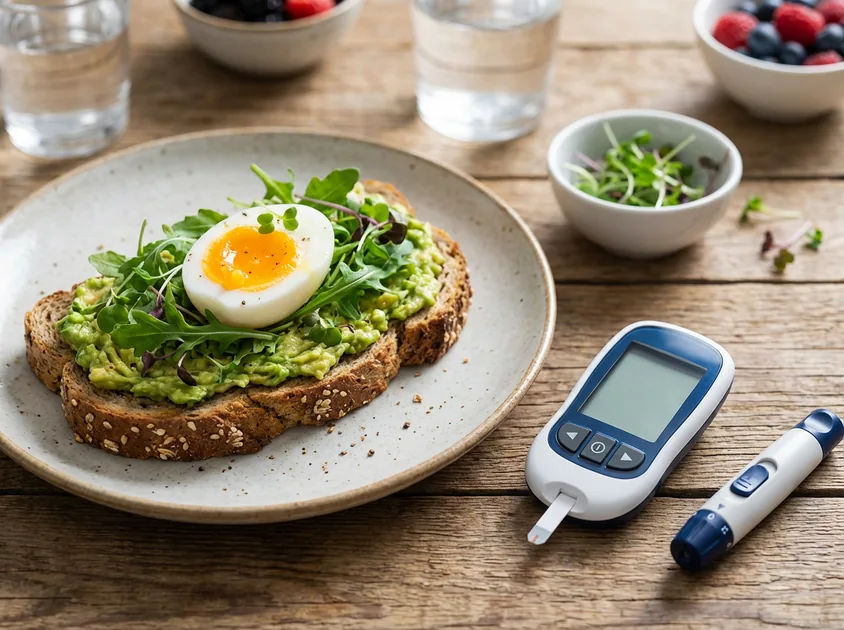
When your doctor tells you during pregnancy, "You have gestational diabetes," your first reaction might be fear or guilt. Questions like "Did I eat too much candy?" or "Will something happen to my baby?" might spin in your head.
Stay calm. Gestational diabetes (or pregnancy sugar as it's commonly known) is a very common condition occurring in about 10% of pregnant women. This diagnosis doesn't mean you're a "bad mother" or necessarily a sweets addict. It is simply your body's reaction to pregnancy hormones.
The good news is that with proper control and nutrition, you can have a completely healthy pregnancy and give birth to a healthy baby. Let's explore the solutions to this "sweet" problem together.
What is gestational diabetes and why does it occur?
Normally, when we eat, blood sugar levels rise and the pancreas secretes insulin. Insulin acts as a "key" that allows sugar to enter cells and be converted into energy.
During pregnancy, the placenta produces various hormones for the baby's development. However, these hormones sometimes interfere with the work of insulin (this is called insulin resistance). The mother's pancreas must produce more insulin to compensate for this situation. If the body cannot produce enough insulin, blood sugar levels rise and gestational diabetes occurs.
Symptoms: How does it manifest?
The most insidious part of gestational diabetes is that it often shows no symptoms. A woman may feel completely normal. However, when sugar levels are very high, the following symptoms may be observed:
Unbearable thirst: A constant desire to drink water.
Frequent urination: While this is normal in pregnancy, it becomes more intense during diabetes.
Dry mouth.
Fatigue.
Because it often goes unnoticed, a "Glucose Tolerance Test" (OGTT) is recommended for all pregnant women between 24-28 weeks of pregnancy. This test is the only accurate way to make a diagnosis.
What are the risks for the baby?
If sugar is not kept under control, it can pose some risks for both mother and baby:
Large fetus (Macrosomia): Excess sugar in the mother's blood passes to the baby. The baby's body produces a lot of insulin in response, which causes rapid weight gain (especially in the shoulder and abdominal area). Babies heavier than 4 kg can have a difficult birth.
Premature birth: High sugar can cause an increase in amniotic fluid (polyhydramnios) and early contractions.
Postpartum hypoglycemia: Immediately after birth, the baby's blood sugar can drop suddenly (because they were used to high sugar in the womb).
Future risk: These children have a slightly higher risk of obesity and type 2 diabetes in the future.
Remember: These risks only arise when sugar remains uncontrolled. Babies of mothers who follow their diet are usually born completely healthy.
>
The basis of treatment: Nutrition and Diet
80-90% of women with gestational diabetes can maintain normal sugar levels through proper nutrition alone, without the need for medication. Here are the main rules:
1. Choose carbohydrates wisely
Sugar cannot be cut out completely because the baby needs energy for development. However, you must replace "bad" carbohydrates with "good" ones.
⛔ Stay away (Simple carbohydrates): White bread, white rice (pilaf), sugar, cakes, cookies, sugary sodas, fruit juices. These spike sugar suddenly.
✅ Accept (Complex carbohydrates): Whole wheat bread, buckwheat, bulgur, oats, legumes (lentils, chickpeas). These are absorbed slowly into the blood.
2. Eat frequently and in small portions
Instead of 3 large meals a day, have 3 main meals and 2-3 snacks (interim meals). This prevents sharp fluctuations in blood sugar.
3. Protein and Vegetables are your friends
Every meal should include protein (meat, fish, eggs, cottage cheese) and plenty of vegetables (cucumber, tomato, greens, cabbage). Fibrous vegetables slow down the absorption of sugar into the blood.
4. Pay attention to fruits
Fruits are beneficial but contain sugar.
Stay away from grapes, figs, melons, and watermelons (they have too much sugar).
Prefer apples, pears, oranges, and berries (strawberries, raspberries).
Don't eat fruit alone; eat it with a handful of walnuts or a slice of cheese (protein reduces the effect of sugar).
How to measure sugar? (Glucometer)
Your doctor will ask you to measure your sugar at home. For this, you should buy a small device – a glucometer.
Morning fasting: The norm should usually be below 95 mg/dL (5.3 mmol/l).
1 hour after a meal: Below 140 mg/dL (7.8 mmol/l).
2 hours after a meal: Below 120 mg/dL (6.7 mmol/l).
(Target numbers may vary according to your doctor).
If the need for insulin arises...
If sugar does not drop despite the diet, your doctor may prescribe insulin injections or pills. Do not be afraid of this at all.
Insulin does not cross the placenta and does not harm the baby.
This does not mean you are "incapable"; your placenta is simply producing very strong hormones.
Insulin is temporary and will be stopped after birth.
What happens after birth?
Good news: As soon as the baby is born, the placenta is expelled from the body and diabetes usually disappears immediately. However, your doctor will want to check you again 6-12 weeks after delivery.
Gestational diabetes is a warning bell, but not a sentence. It can be turned into an opportunity that forces you to eat healthier and monitor your weight throughout pregnancy. As a result, both you stay in shape and your baby develops healthily.
You can use the Anacan app to track your nutrition regimen, monitor weight gain, and record your sugar measurements. May you hold your baby in health!