
Pregnancy
What is Ectopic Pregnancy? Symptoms and Risk Factors
What is ectopic (extrauterine) pregnancy and how does it occur? Learn about abdominal pain, bleeding, and other hidden danger signs. Everything you need to know to reduce risks and protect your chances for future pregnancy.
The news of pregnancy should be a moment full of joy for every woman. However, sometimes those two lines on a pregnancy test can bring anxiety instead of happiness. According to medical statistics, approximately 1-2% of all pregnancies result in an ectopic (extrauterine) pregnancy.
This diagnosis may sound scary, but early intervention saves lives and preserves your chances of becoming a mother in the future. So, how can you distinguish an ectopic pregnancy from a normal one? Which pains should be considered "alarm signals"? Let's explore this important topic together.
What exactly is an ectopic pregnancy?
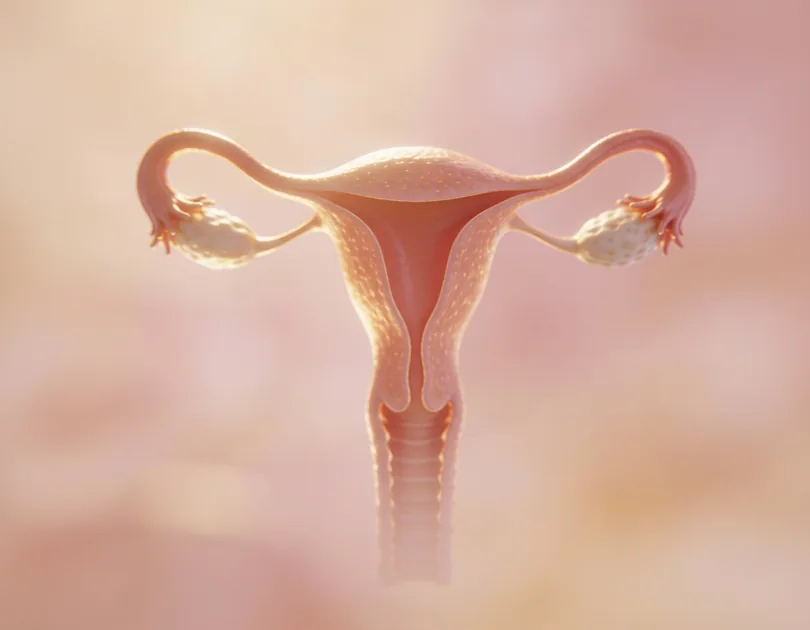
In a normal pregnancy, the fertilized egg cell passes through the fallopian tubes, reaches the uterus (womb), and begins to develop there.
In an ectopic pregnancy, the fertilized egg cannot reach the uterus and gets stuck somewhere along the way—most commonly in the fallopian tubes (98%)—where it attaches. That is why it is colloquially known as a "tubal pregnancy." In very rare cases, it can also occur in the ovaries, abdominal cavity, or cervix.
The bitter truth: Unfortunately, it is impossible for a fetus to survive and develop outside the uterus. The growth of these tissues can cause the tube to burst, leading to internal bleeding that poses a life-threatening risk to the mother.
>
Hidden Danger: How to recognize the symptoms?
The most confusing part of an ectopic pregnancy is that, at first, it looks exactly like a normal pregnancy. Your period is late, the test is positive, and there may even be nausea and breast tenderness.
However, between the 4th and 10th weeks of pregnancy, the following "red flag" symptoms may appear:
1. Sharp abdominal or pelvic pain
Mild cramps can occur in a normal pregnancy, but the pain in an ectopic pregnancy is different:
Usually, there is a sharp, stabbing pain on only one side of the abdomen (right or left).
The pain may come and go or be constant.
2. Abnormal vaginal bleeding
This bleeding differs from a normal menstrual period.
It is often lighter in amount, brownish in color, or watery.
Sometimes women mistake this for a late period and do not realize they are pregnant.
3. Shoulder tip pain (Special symptom)
Although this sounds very strange, it is one of the most serious signs of an ectopic pregnancy. If you feel pain at the tip of your shoulder (where the arm meets the body) while lying down, it may indicate that internal bleeding is irritating the diaphragm. Seek emergency medical attention immediately.
4. Weakness and dizziness
Internal bleeding can cause a drop in blood pressure, paleness, and fainting.
Risks: Why does this happen?
Any woman can encounter this situation, but certain factors increase the risk:
Previous ectopic pregnancy: If you have experienced this before, the chance of recurrence is slightly higher.
Inflammatory diseases and infections: Sexually transmitted infections (chlamydia, gonorrhea) cause inflammation and scarring in the fallopian tubes, obstructing the egg's movement.
Tubal surgery: If you have previously had any surgery on your tubes.
Smoking: Research shows that smoking reduces the motility of the fallopian tubes.
In vitro fertilization (IVF): Although rare, the risk increases slightly.
Age: The risk is higher in women over 35 years of age.
Diagnosis and Treatment
If you suspect an ectopic pregnancy, there is no time to lose. Your doctor will use two methods to confirm the diagnosis:
Blood test (Beta-HCG): In an ectopic pregnancy, the HCG hormone increases more slowly than in a normal pregnancy or fluctuates.
Ultrasound examination (USG): If the test is positive but no gestational sac is visible inside the uterus, the doctor will check the tubes.
Treatment methods:
Medical treatment (Methotrexate): If the pregnancy is very small and the tube has not burst, the pregnancy is terminated with a special injection, and the body absorbs the tissue. This is the best way to preserve the tube.
Surgery (Laparoscopy): If the fetus is large or there is internal bleeding, surgery is performed through small incisions. Depending on the situation, the tube may be preserved or removed.
Can I become a mother after an ectopic pregnancy?
This is the most frequently asked and most important question. The answer: Yes!
The vast majority of women have a normal, healthy pregnancy and become mothers after an ectopic pregnancy. Even if one tube is removed, if the other tube is healthy, your chances of conceiving naturally remain high.
Simply, the next time you become pregnant, your doctor will monitor you more closely and schedule an early ultrasound (around the 6th week) to ensure the sac has reached the uterus.
An ectopic pregnancy is a physically and emotionally difficult trial. Give yourself time to grieve and heal. Always pay attention to the signals your body gives you.
Remember, early diagnosis protects not only your health but also your future chances of motherhood. If you are planning a pregnancy or are already pregnant, record your symptoms in the Anacan app and contact your doctor immediately regarding any suspicious points.