Pregnancy
Introduction to Solid Foods: A Healthy and Safe Start to Your Baby's Feeding Journey
When should your baby start complementary foods? What is the 3-Day Rule? A scientific guide for mothers on Anacan about BLW and classic puree methods, and the first foods to be given.
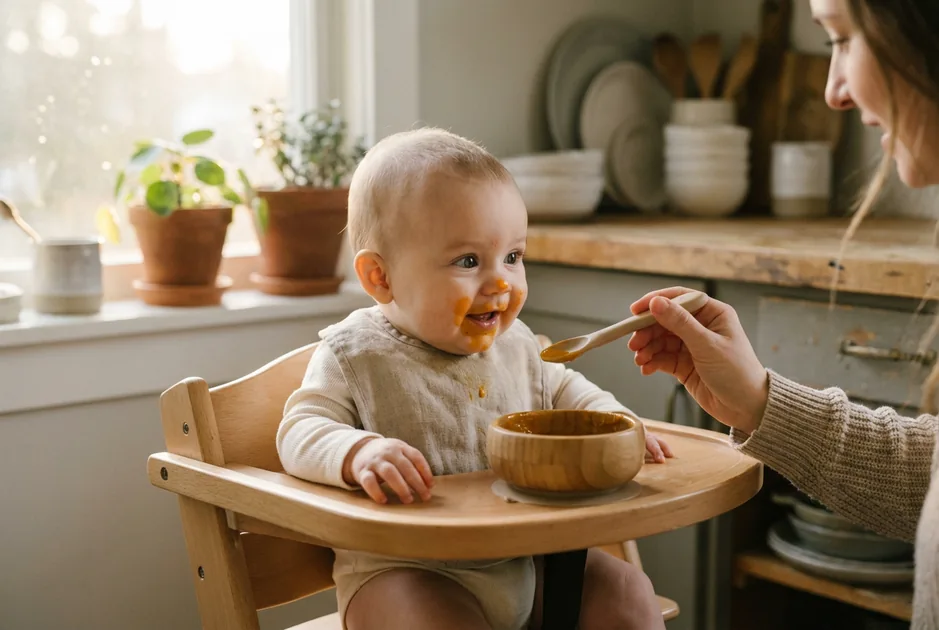
Your baby's rapid development in the first few months may be sustained by breast milk or formula alone, but over time, their growing body needs more energy, iron, and various vitamins. This new stage, which we call "complementary feeding," is a miraculous journey of discovery where your baby becomes acquainted with different tastes, textures, and smells.
However, this period often becomes a source of stress for mothers: "Where should I start? How much should I give? What if they choke?" These concerns are completely natural. Once you know the golden rules recommended by experts, this process will become the most enjoyable part of the day for both you and your baby.
1. When is the right time to start complementary foods?
The World Health Organization (WHO) and most pediatricians emphasize that the ideal time to start complementary feeding is the 6th month. However, since every child's development is unique, you should pay attention to your baby's physical signals rather than just the calendar.
Key signs that your baby is ready for solid foods include:
Head control: They can keep their head and neck completely upright and steady.
Sitting ability: They can sit upright in a high chair, even with support.
Interest in food: They watch your mouth while you eat, reach for plates, and show enthusiasm for food.
Loss of tongue-thrust reflex: They do not automatically push the spoon out with their tongue when it is brought near their lips.
2. First Tastes and the "3-Day Rule"
The transition to complementary food is a "tasting" phase, not a "satiating" one. In the first months, the baby's main nutrition remains breast milk (or formula). Solid foods are only supplementary.
Experts recommend starting with vegetables (e.g., pumpkin, carrot, zucchini) rather than fruits. This is because babies have an innate preference for sweet tastes; if they are introduced to sweet fruits first, they may reject vegetables later.
What is the 3-Day Rule? Each time you introduce a new food to the baby, give it alone for 3 consecutive days (without mixing it with another new food). During this time, monitor for any allergic reactions (rash, diarrhea, redness, vomiting). If there are no problems, you can add a new food to your list.
3. Puree or BLW (Baby-Led Weaning)?
One of the topics mothers think about most is the form in which the food should be given. There are currently two main approaches:
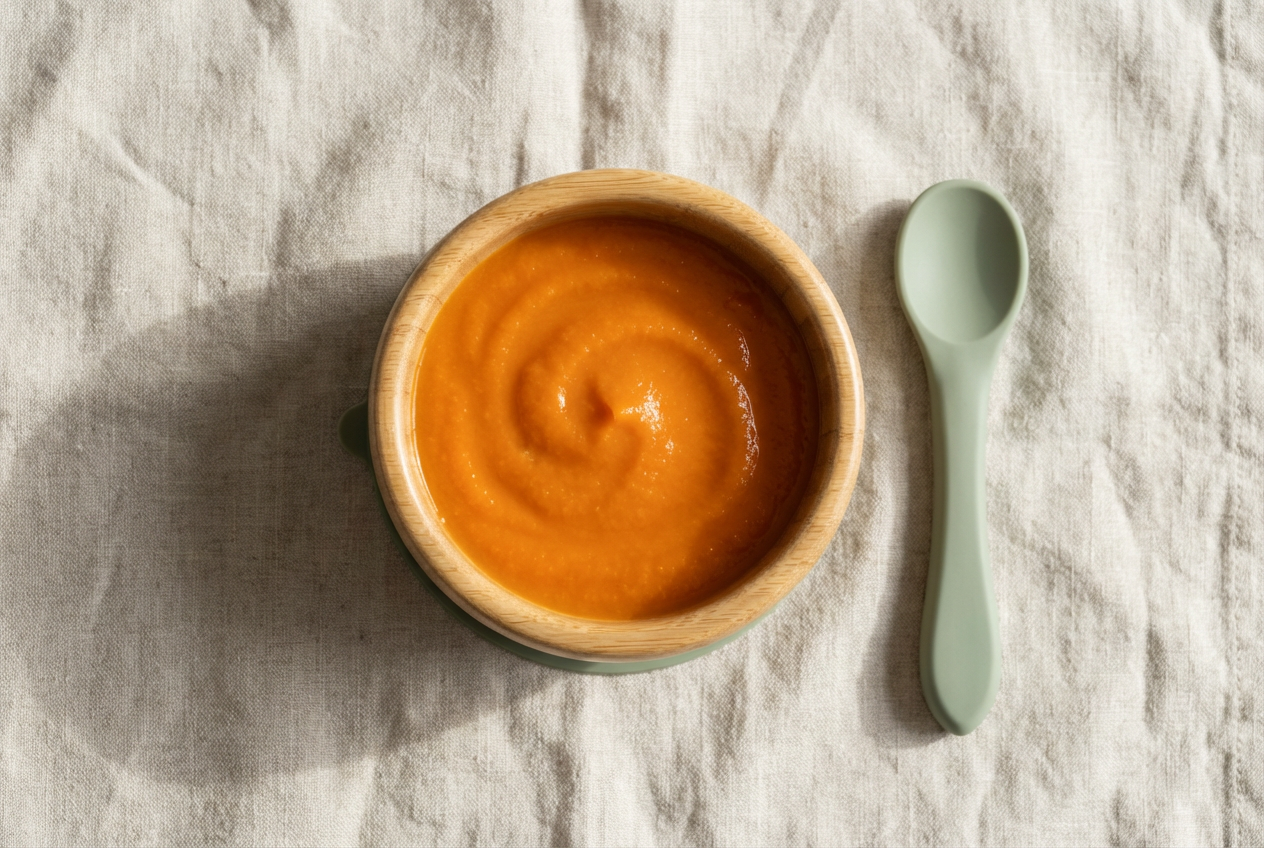
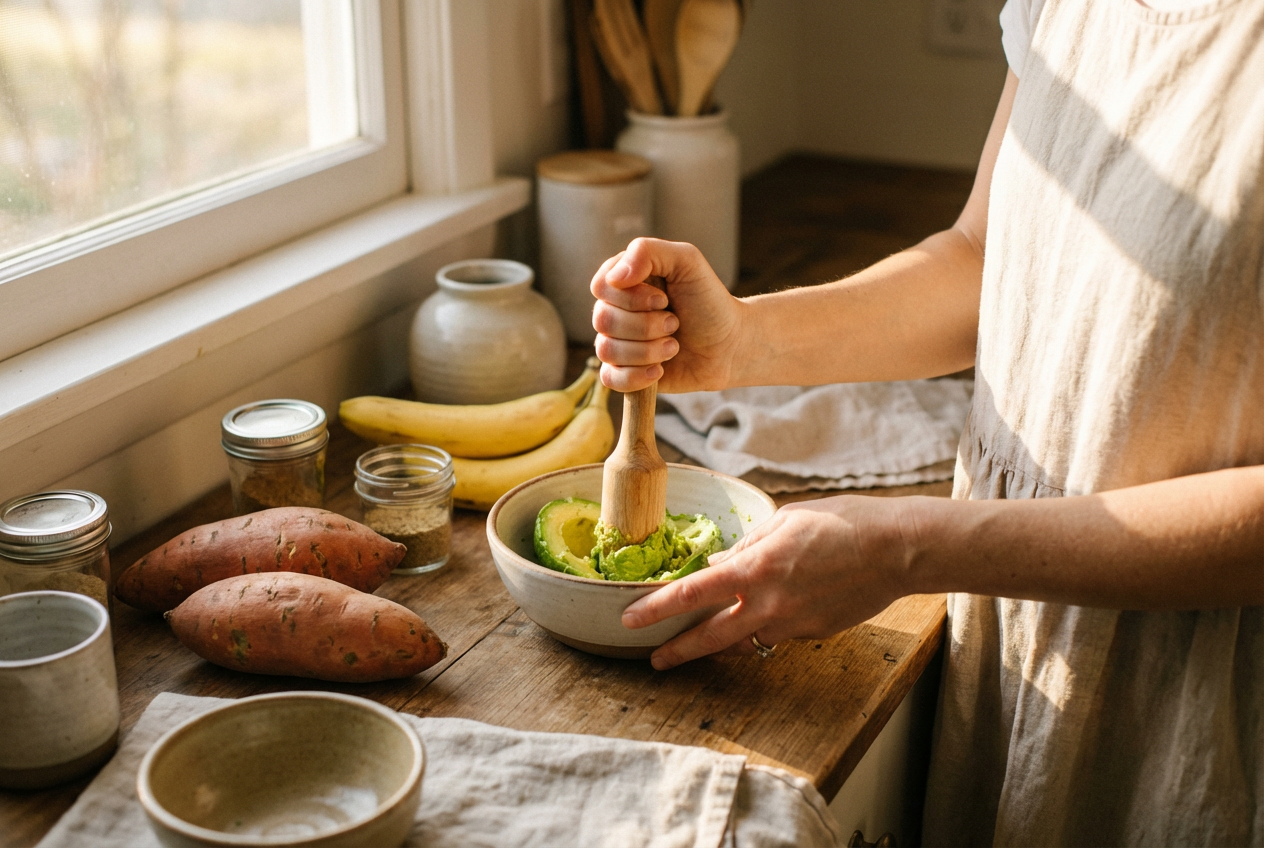
Classic Puree Method: Foods are steamed, pureed, and spoon-fed to the baby by the mother. This is a more traditional and cleaner method, ensuring the mother has full control over how much the baby eats.
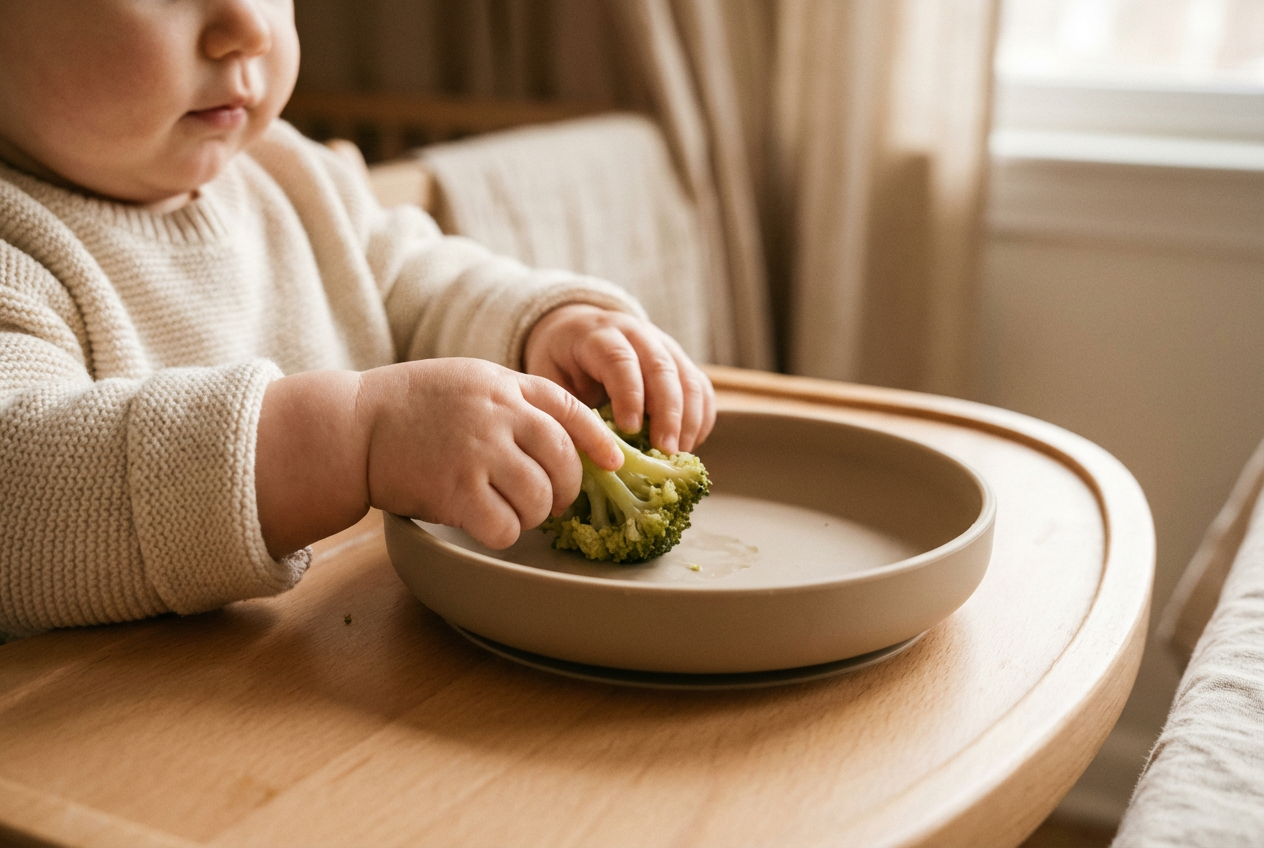
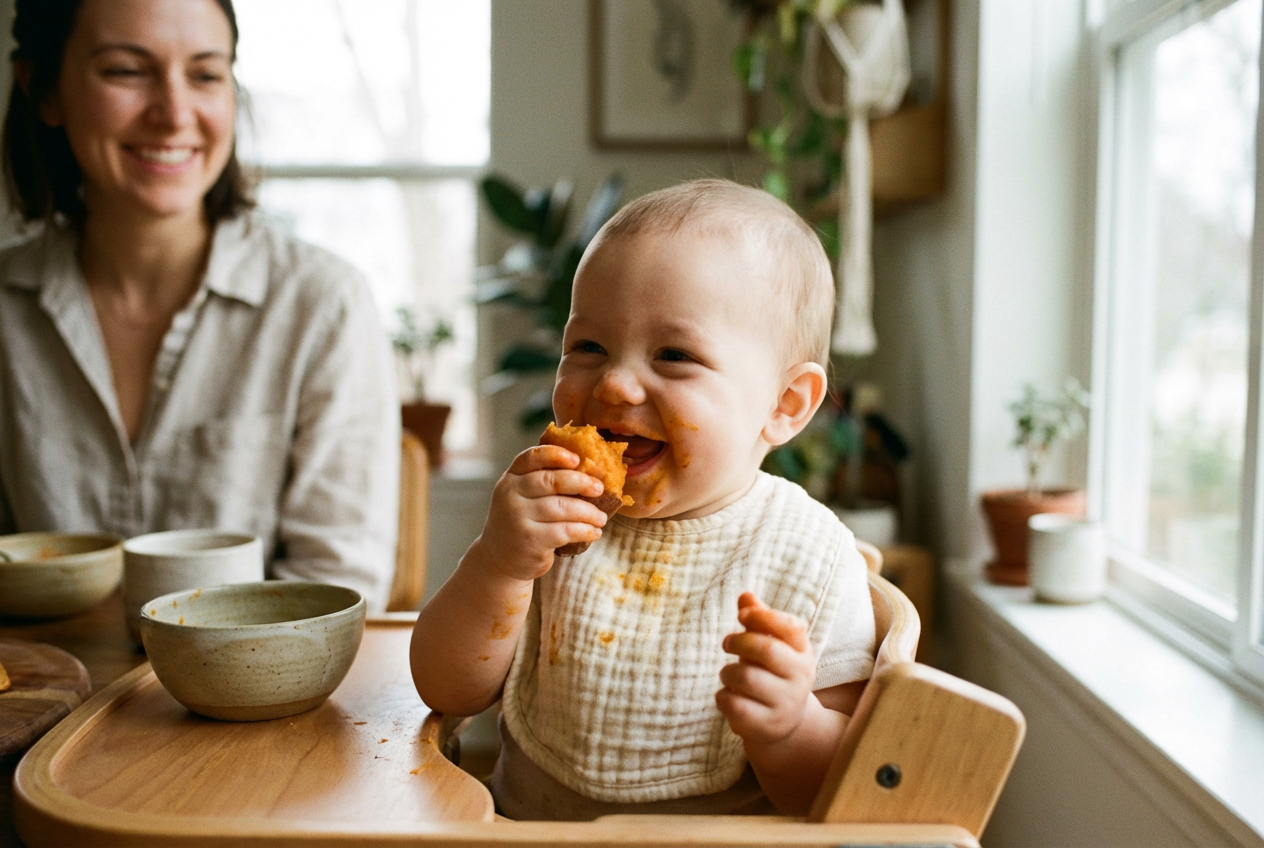
BLW (Baby-Led Weaning): This is the baby feeding themselves. Foods are cut into finger-sized pieces that the baby can hold, steamed until soft, and placed in front of them. The baby discovers, mashes, and brings the food to their mouth themselves. This method develops the baby's fine motor skills and chewing reflex very quickly.
Both methods have their own advantages. Many pediatricians suggest applying a combination of these two methods (both pureeing and letting them hold it). The most important thing is that meal times turn into a discovery-filled game rather than a stressful chore.
4. Foods that should absolutely not be given until age one
Even if you want them to taste everything during the complementary feeding period, there are some foods that are dangerous for a baby's developing digestive system and kidneys. You must stay away from these foods until 1 year of age:
Honey: The bacteria it contains (botulism) can be fatal for babies.
Cow's milk (as a main drink): It is very difficult to digest and can cause iron deficiency (anemia). However, it can be given in the form of yogurt, kefir, and cheese (since it is fermented).
Salt and Sugar: A baby's kidneys are not developed enough to process salt. Sugar is a substance with no nutritional value that causes obesity in the future.
Choking hazard foods: Whole grapes, hazelnuts, walnuts, peanuts, whole cherry tomatoes (these must be mashed or cut lengthwise into four pieces).
Masterfully manage your feeding schedule with Anacan
"What new food should I give today?", "Which recipes should I try for BLW?" — you don't need to keep all these questions in your head. You can try different recipes for your child through the "Healthy Recipes" tool in the Anacan app.