
Pregnancy
Epidural Anesthesia (Painless Birth): Benefits and Side Effects
What is epidural anesthesia and how does it eliminate labor pains? Answers to scary questions like "Does the needle stay in the back?" and "Is there a risk of paralysis?" Everything about the benefits, side effects, and cost of painless childbirth.
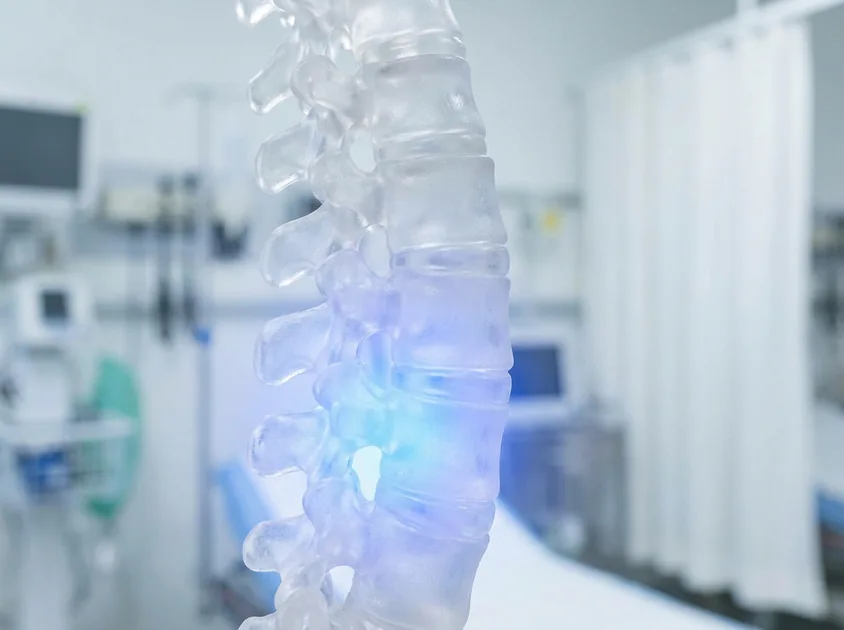
When thinking about birth throughout pregnancy, many women's greatest fear is pain. The question *"Will I be able to endure the contractions?"* sometimes even overshadows the feeling of joy. Fortunately, modern medicine offers us an opportunity like **Epidural anesthesia** (popularly known as the "Prophet's needle" or "Painless birth").
However, there are so many myths surrounding this topic – "back pain remains," "you will be paralyzed," "it harms the baby" – that women have difficulty choosing. Let's explore what this procedure actually is, how it works, and its risks with medical facts.How does epidural anesthesia work?
Epidural anesthesia is a regional numbing method that blocks the sensation of pain in a specific part of the body (below the navel).
**How is the procedure performed?**1. You sit or lie on your side (you should arch your back "like a cat").
2. The anesthesiologist numbs your lower back area (this is the needle you will feel the most).
3. Without entering the spinal canal, a very thin catheter (plastic tube) is placed simply into the **epidural space**.
4. The needle is removed, only the soft catheter remains, and the medication is administered through it.As a result, you feel the contractions (tightening) as pressure, but you **do not feel pain**. You remain conscious, can move (depending on the dose), and participate actively in the birth.Advantages: Why should you choose it?1. **Painless birth:** This is the biggest advantage. You are freed from the stress and fatigue caused by contractions. You save your energy for pushing the baby (the second stage of labor) rather than for screaming.
2. **Calming:** When pain decreases, the level of adrenaline in your body drops, which can help the cervix open more easily.
3. **Emergency Cesarean possibility:** If a sudden problem arises during birth and a C-section is needed, there is no need for general anesthesia. The dose of medication is simply increased through the catheter.
4. **Beneficial for hypertension:** Epidural anesthesia helps lower high blood pressure, which is beneficial for mothers at risk of preeclampsia.Disadvantages and Side Effects
Every medical intervention has risks, but epidural risks are rare and usually manageable. - **Drop in blood pressure:** This is the most common occurrence. Since doctors know this in advance, they give you an IV (fluids) and keep your pressure under control.
- **Prolongation of labor:** In some cases, an epidural may slightly prolong the second stage of labor (pushing), as you may not know when to push because you do not feel the contraction. Your doctor will guide you.
- **Headache:** Very rarely (less than 1%), if the needle accidentally punctures the spinal fluid sac, there may be a severe headache after birth. This is treatable.
- **Numbness in the legs:** You may feel heaviness or numbness in your legs for a few hours after birth.Myths and TruthsMyth: "Epidural causes paralysis."
Truth: This is almost impossible. The needle is not inserted into the spinal cord (where the nerves are), but is placed at a considerable distance from it.Myth: "Back pain remains for life."
Truth: There may be slight sensitivity at the needle site for 1-2 days. However, if your back hurts months after birth, the reason is not the needle, but the shift in the center of gravity during pregnancy and carrying the baby in your arms.Myth: "The medication passes to the baby and numbs them."
Truth: The amount of epidural drugs absorbed into the blood is very small and has no serious effect on the baby. Babies are usually born alert.When should it be administered?
Epidural anesthesia is administered when labor contractions become regular and the cervix is dilated **3-4 cm**. If administered too early, it can slow down labor; if administered too late (at full dilation), it may no longer be meaningful.How much does it cost?
It is free in state hospitals if there is a medical indication (but it is usually used for C-sections). In private clinics, an additional payment of approximately **100-200 AZN** may be required in addition to the natural birth package.
Epidural anesthesia is not about avoiding heroism, but about using the comfort created by modern medicine. If your pain threshold is low or you simply want to enjoy the birth and experience that first moment without pain, consider this choice.
Talk to an anesthesiologist and share your fears before making a decision. You can get more realistic information by reading the epidural experiences of other mothers in the **Anacan app**.