Baby care
Newborn Sleep Schedule: Tips for a Restful Night'
Has your baby confused night and day? Discover newborn sleep cycles, the role of melatonin, and golden rules for putting your baby to sleep. A complete guide to white noise, swaddling, and safe sleep environments.
The sentence parents use most in the first weeks after returning from the maternity hospital is probably this: *"I am so tired"*. Waking up in the middle of the night, rocking the baby for hours, and starting the morning like a "zombie"... Welcome to the world of parenting\!
The sleep schedule (or rather, the lack of it) of newborns is a real test for adults. Some babies spend the day like "sleeping beauty" and turn the nights into a real party. So how can this mess be sorted out? How to teach a baby the idea that "night is for sleeping"?
In this article, we have gathered methods to help you understand your baby's sleep biology and gain calmer nights for both of you.Accept the Reality: The Baby Has No "Clock"
First, you must accept one truth: the "Biological Clock" (Circadian rhythm) has not yet formed in the brain of a newborn baby (0-3 months). - **Lack of Melatonin:** The sleep hormone melatonin is not yet produced in the baby's body. They cannot distinguish between the darkness of night and the light of day.
- **Short Cycles:** Although babies sleep 16-18 hours a day, this sleep is divided into short 2-4 hour segments. The reason is simple: their stomachs are very small and they get hungry often.That is, a baby waking up at night in the first months is an indicator of **completely normal and healthy** development. However, this does not mean you cannot make the process a little easier.How to Teach Day and Night?
If your baby confuses night with day (sleeping during the day and staying awake at night), it is in your hands to explain the difference:Day Routine: "Noise and Light" - Open the curtains, let the room be bright.
- Continue with daily household noises (vacuum cleaner, TV, talking). Do not speak in whispers.
- When the baby is awake, play with them, talk to them, and ensure they expend energy.Night Routine: "Silence and Darkness" - Dim the lights in the house after sunset.
- **Do not turn on the light** during night feedings (use a dim night lamp).
- Do not make eye contact or play with the baby. Do your job (feeding, changing the diaper) quietly and quickly.
- This will signal to the baby that "now is not playtime, it is sleep time."4 Golden Rules for Putting Your Baby to Sleep Comfortably1. Swaddling – Return to the Womb
Babies suddenly throw their arms and wake themselves up in their sleep due to the "Moro reflex" (startle reflex). - **Solution:** Swaddling the baby with a thin cloth (without squeezing too tightly) reminds them of the tightness in the mother's womb and prevents startling. This is the most effective method to prolong sleep duration.2. White Noise
The mother's womb was not silent at all (blood flow, heartbeat). Total silence makes the baby uncomfortable. - **Solution:** Hairdryer sounds, rain sounds, or special "white noise" applications (available in the **Anacan app**) calm the baby and help them fall into a deep sleep.3. Sleep Rituals (Routine)
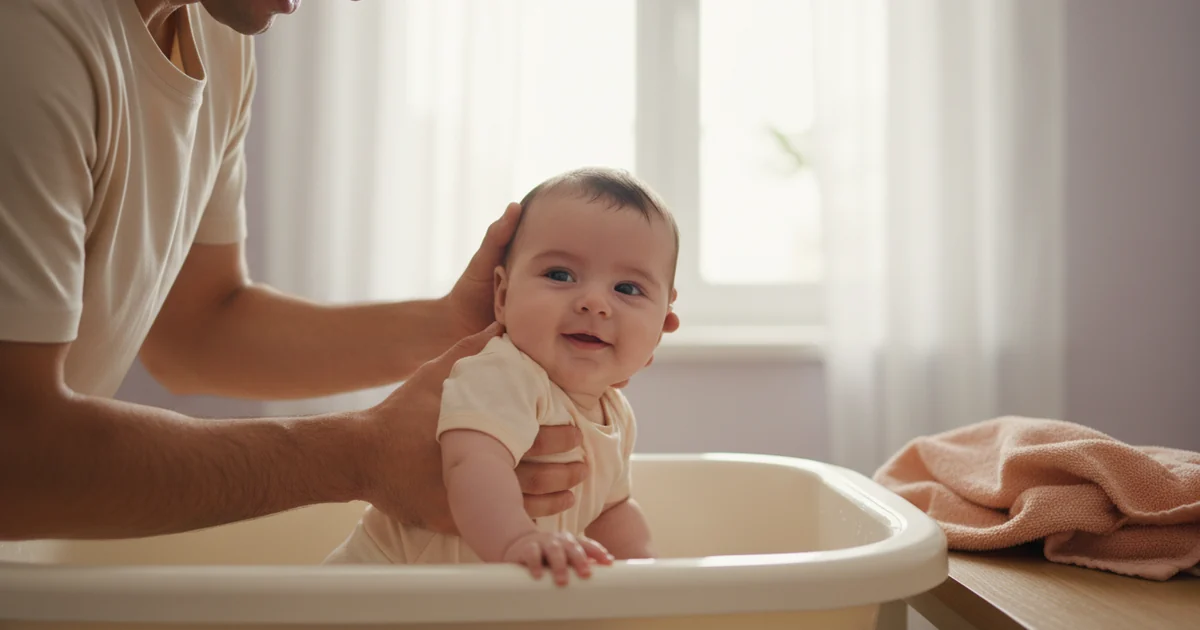
Doing the same actions every evening gives the baby the "it's time to sleep" message. - **Example:** Warm bath -\> Light massage -\> Putting on pajamas -\> Lullaby or White noise -\> Feeding -\> Sleep. Do this in the same order every night.4. "Sleepy but Awake" Principle
This is the most important habit for the future. Put the baby in their bed not after they have fallen completely asleep, but while they are sleepy and drowsy. This way, they will learn to fall asleep in their bed and will be able to go back to sleep on their own when they wake up at night.Safe Sleep Rules (Against SIDS Risk)
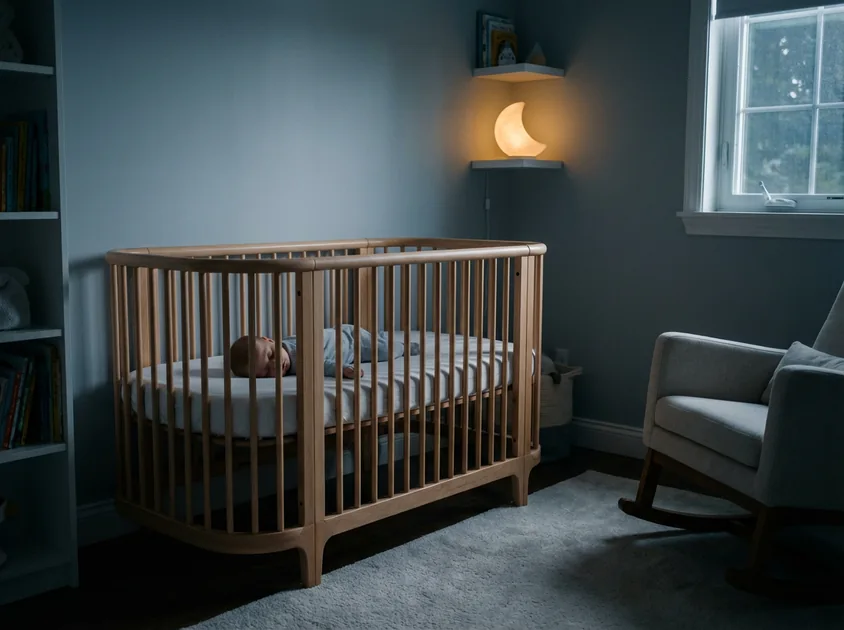
The baby's safety is as important as their comfort. To reduce the risk of Sudden Infant Death Syndrome (SIDS), be sure to follow these rules: - **Always on the back:** Never put the baby to sleep face down (on their tummy). This is the safest position.
- **Empty bed:** There should be no pillows, blankets, soft toys, or bumpers in the crib. Only a firm mattress and a fitted sheet.
- **Temperature:** The room temperature should be 20-22°C. Do not overdress the baby (the back of their neck should be warm, they should not sweat).Dear parents, sleepless nights may seem endless, but believe me, this is temporary. As your baby grows (especially after the 3rd-4th month), their sleep will become regular and they will start producing melatonin themselves.
Be patient, support each other, and try to sleep when your baby sleeps (housework can wait!).
**Want to track your baby's sleep?** Record your baby's sleep intervals with the **"Sleep Tracker" in the Anacan app** and understand their routine better.