Baby care
Baby Bathing: A Guide to Safe and Soothing Baths
Step-by-step instructions for safely bathing your baby. Learn about water temperature, umbilical cord care, and how to turn bath time into a relaxing sleep routine.
Bathing your baby for the first time is one of the most exciting and memorable moments in the parenting journey. It's not just for hygiene, but also a wonderful opportunity to build a special bond with your baby and soothe them at the end of the day. A well-organized bath time can become a relaxing experience for some babies and an important part of their pre-sleep ritual.
However, this process can raise many questions, especially for new parents. What temperature is considered ideal? How often should you bathe them? How do you ensure safety? In this article, you will find answers to all these questions about baby bathing and learn how to make this process a pleasant and safe experience for both you and your baby.
The Soothing Effect of Bathing: Why Do Some Babies Love Baths?
Many babies enjoy being in warm water. This is due to the physical sensations created by the water. The contact of warm water with the body relaxes muscles and reduces tension. This can be especially beneficial for babies who are fussy during the day or suffer from gas colic. The gentle pressure of the water and its embrace provide them with a sense of security and comfort.
However, it's important to remember that every baby is different. Some babies may not immediately like the water. For them, undressing, temperature changes, or the sensation of being in water can be unusual and unsettling. If your baby cries or is uncomfortable during bath time, keep the process short and try to soothe them. With time and patience, most babies get used to taking baths and even start to enjoy them.
Bath Preparation: Safety Comes First
It is very important to prepare in advance to make the baby bathing process smooth and safe. Make sure everything is within reach before putting the baby in the water, as the baby should not be left unsupervised in the bath for even a second.
- Prepare All Supplies: Prepare items in advance such as a baby bathtub, 2 clean towels (one for padding, the other for drying), a clean diaper, clothes, fragrance-free and hypoallergenic baby soap/shampoo (if you will be using it), and a bath thermometer.
- Room Temperature: Prepare a comfortable and warm environment where the baby won't get cold; there is no mandatory exact degree for everyone. Keep the bath short, protect from drafts and overheating.
- Adjust Water Temperature Correctly: This is one of the most important points. The ideal water temperature should be close to the baby's body temperature, which is approximately 37°C. After pouring water into the tub, mix it with your hand to ensure the heat is evenly distributed. Using a special bath thermometer is the most reliable method to check the temperature. If you don't have a thermometer, you can check the water temperature with the inside of your wrist or elbow – the water should feel pleasantly warm, not hot.
- First Bath Time: The World Health Organization recommends delaying the first bath for at least 24 hours after birth, unless there is a medical necessity, to allow the baby to regulate its body temperature and benefit from the natural protective layer of its skin.
Step-by-Step Bathing Process and Important Rules
Once preparations are complete, you can begin the bathing process. Being calm and confident will also have a positive effect on your baby.
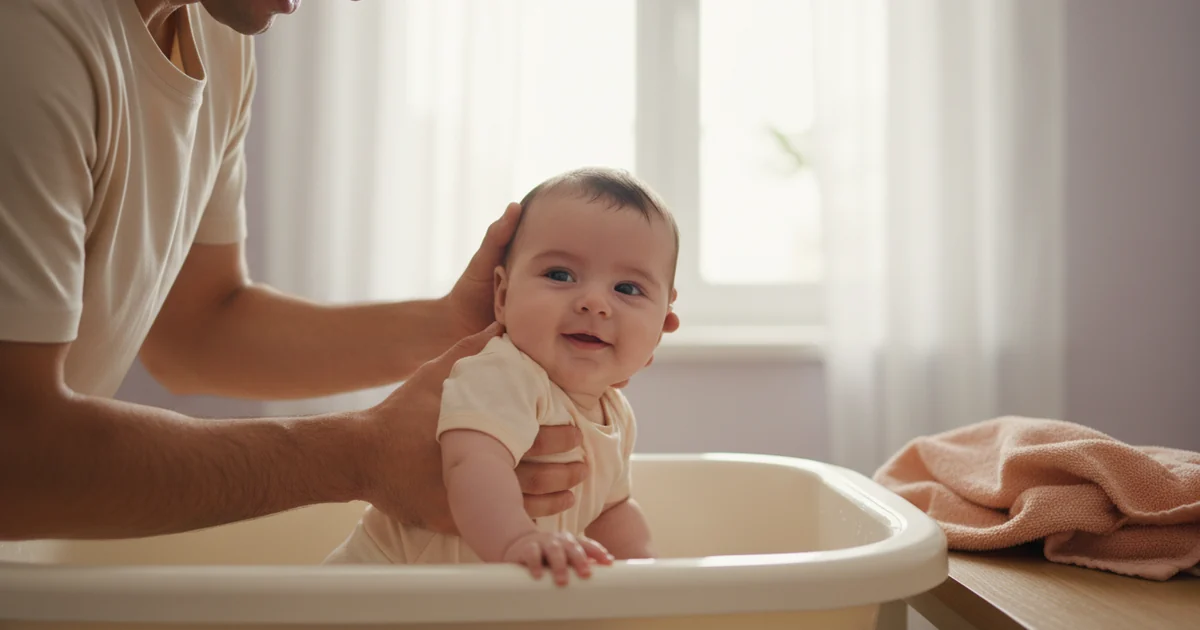
- Constant Supervision: Never leave the baby alone in the bath, even for a moment, or under the supervision of another child. One hand should always be on the baby. Bath seats do not make the baby safe; do not rely on them.
- Correct Hold: Gently place the baby in the water. Support their head and neck by placing one arm under their back, and use your other hand to wash them.
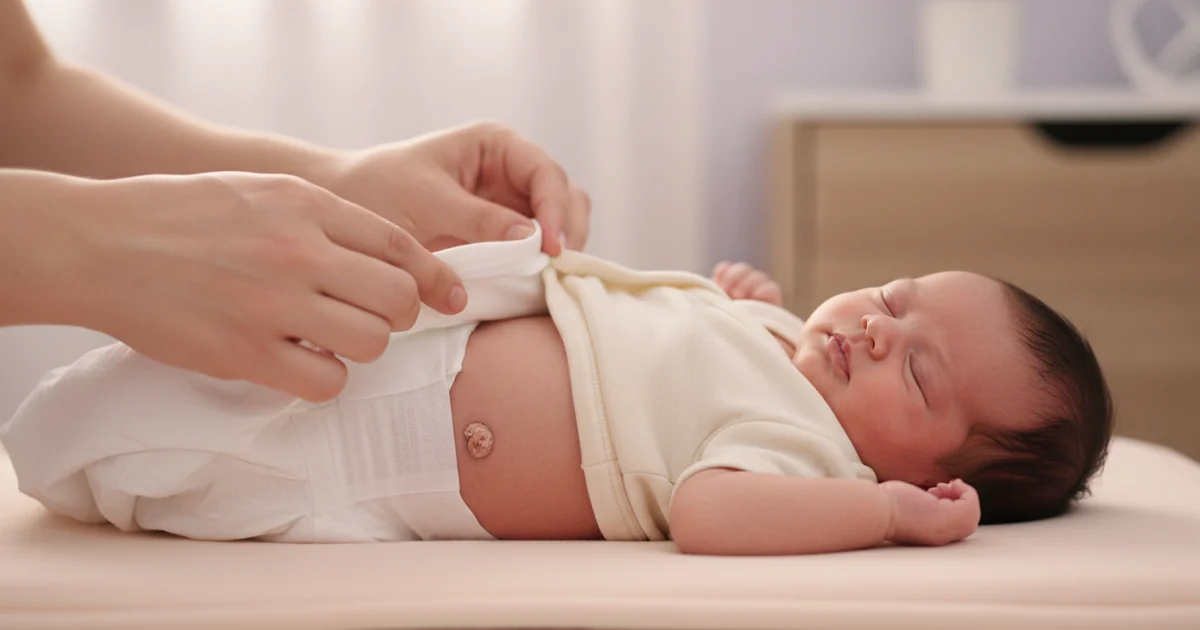
- Umbilical Cord Care: If the umbilical cord has not yet fallen off, follow your doctor's advice. Many experts recommend sponge baths (wiping the body with a damp cloth) instead of full immersion to keep the umbilical cord dry. If the umbilical cord accidentally gets wet, gently dry it with a soft, clean cloth after the bath.
- Washing Sequence: Wash the baby from top to bottom, starting from the cleanest areas. First, wipe their face with cotton soaked only in warm water. Then wash their head (if you are using shampoo), then their body, and finally the diaper area. Make sure to thoroughly clean between skin folds (armpits, neck, groin).
- Keep the Process Short: Especially in the first months, try not to extend bath time beyond 5-10 minutes. The baby's body can cool down quickly. If the baby shows signs of discomfort or gets cold, end the bath immediately.
- Drying and Dressing: Remove the baby from the water and immediately wrap them in a hooded or regular towel. Gently pat their skin dry without rubbing. If there is skin dryness, you can use a fragrance-free, baby-appropriate moisturizer with your doctor's advice. Then put on a clean diaper and clothes.
Turning Bath Time into a Soothing Pre-Sleep Ritual
A consistently repeated evening routine helps the baby understand that bedtime is approaching. A soothing bath can be a perfect part of this routine. The gradual decrease in the baby's body temperature after coming out of warm water is a natural signal that facilitates falling asleep.
An effective pre-sleep routine might look like this: Bath → Gentle Massage → Pajamas → Feeding → Story/Lullaby → Sleep. Avoid bathing the baby immediately after feeding, as this can cause discomfort. It is more appropriate to bathe them some time before or after feeding. After placing your baby in their bed after the bath, make sure they are lying on their back.
When to Contact a Doctor?
While bathing is usually a safe process, some symptoms require medical advice. It is important to contact your doctor in the following cases:
- Fever of 3°C or higher in a baby younger than 38 months: This situation requires immediate medical attention.
- Redness, swelling, pus, or a strong unpleasant odor around the umbilical cord: These could be signs of infection.
- Unusual rashes, severe redness, or prolonged dryness on the skin: This could indicate an allergy, eczema, or another skin problem.
- If the baby cries excessively every time they are bathed and cannot be soothed: It may be helpful to talk to a doctor to clarify if there is another underlying cause.
Keep Anacan-Related Notes in One Place
Remembering daily details can be exhausting. With Anacan's available tools, you can record the following information and share it more clearly at your next doctor's appointment:
- Sleep history: Track the daily rhythm by recording the start and end of sleep with a timer. The app does not monitor breathing during sleep and does not replace safe sleep guidelines.
- Diaper logs: Record the time of wet, soiled, and mixed diapers. This information can help the doctor assess feeding, but it does not diagnose dehydration or other illnesses on its own.
It is possible to share feeding, sleep, and diaper logs in the Doctor's Report. Available entry and Premium terms for tools apply. Do not delay medical attention to write a note in the app for urgent symptoms.
Frequently Asked Questions
How often should you bathe a baby?
Newborns do not need to be bathed every day. To protect the skin's natural oils, bathing 2-3 times a week is sufficient. Daily, you can wipe their face, hands, and diaper area with a damp, soft cloth. As the baby grows and becomes more active, you can increase the frequency of bathing.
What should be the water temperature when bathing a baby?
The ideal water temperature for a baby bath is approximately 37°C. This is very close to normal body temperature. The most reliable way to check the water temperature is to use a bath thermometer. If you don't have a thermometer, immerse the inside of your elbow or wrist in the water; the water should feel pleasantly warm, not hot.
Can a baby be fully bathed if the umbilical cord has not fallen off?
It is recommended not to fully immerse the baby in water until the umbilical cord has fallen off and healed completely. During this period, it is important to keep the umbilical cord as dry as possible to reduce the risk of infection. Instead, you can clean the baby's body in sections with a soft sponge or cloth dipped in warm water (sponge bath). Follow your doctor's specific instructions.
What is the most important safety rule when bathing a baby?
The most important and golden rule is never to leave the baby alone in the bath, not even for a second. A baby can drown in just a few centimeters of water. Before starting the bath, prepare all supplies such as towels, diapers, and clothes within reach so you don't have to leave the baby's side during the process. Always support the baby with one hand.