Baby care
Baby's Safe Sleep Environment: Crib Selection and Proper Use Guidelines
Choosing and using a crib is critical for your baby's safe and healthy sleep. Create the ideal sleep environment for your baby with this guide.
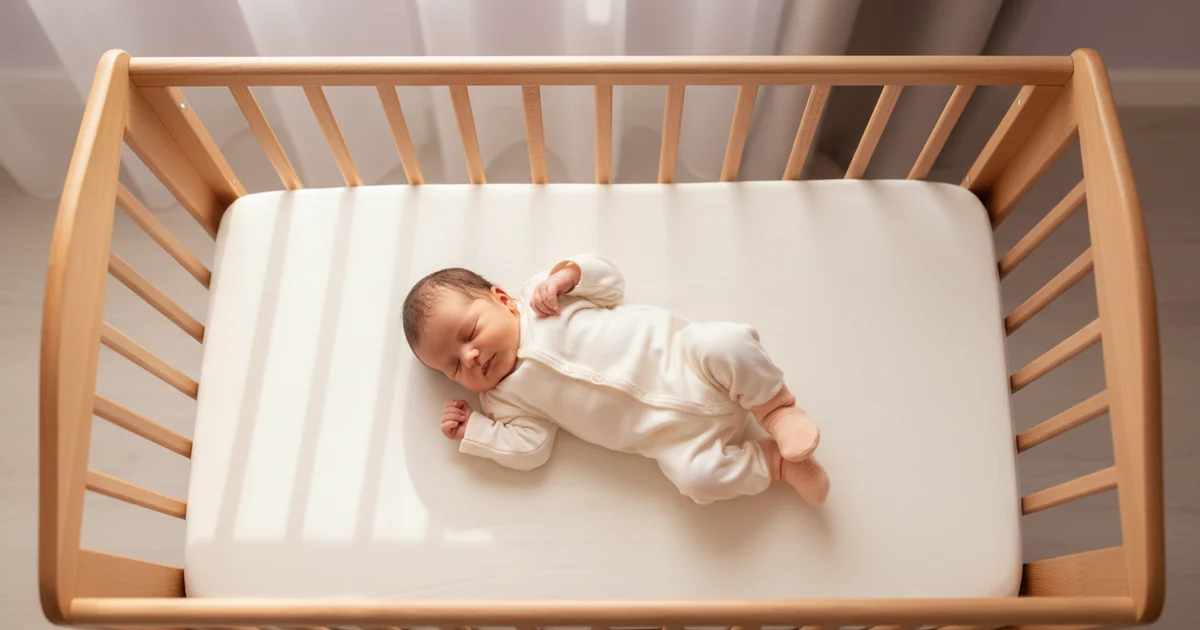
Newborn babies spend a large part of the day, approximately 16-18 hours, sleeping. This means your baby will spend most of their time in their crib during the first months of life. Parents usually focus on the design, color, and compatibility with the room's decor when choosing a crib. However, the golden rule never changes: the baby's crib must be comfortable, and most importantly, absolutely safe.
Creating a healthy and safe sleep environment is the most crucial step for both your baby's healthy development and your peace of mind at night. This is the most effective way to reduce the risk of sudden infant death syndrome (SIDS) and other sleep-related accidents. Let's take a detailed look at what an ideal crib environment should be like.
Crib Selection: Compliance with Standards and Structure
When choosing a crib, it is vital to prioritize its compliance with safety standards over aesthetic appearance. When buying a new crib, ensure it meets current safety standards. If you are using a second-hand crib, check that it has no damaged, worn, or broken parts.
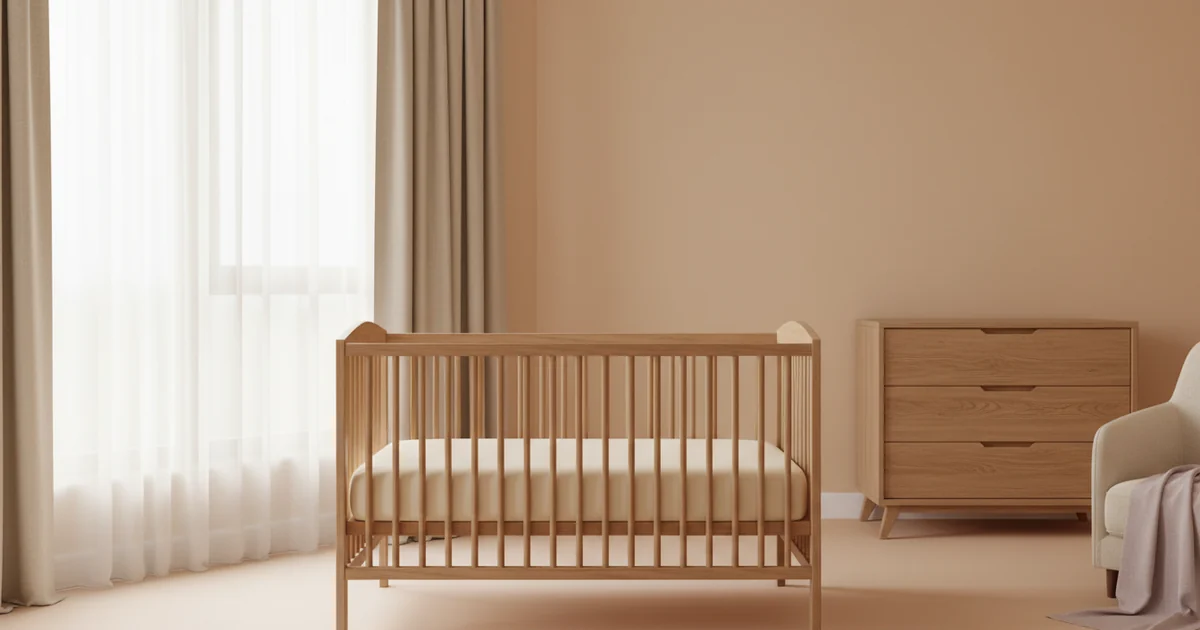
The crib must have a sturdy construction, with no sharp edges or protrusions. The distance between the bars on the sides of the crib should not exceed 6 cm, to prevent the baby's head from passing through or their body from getting trapped. Also, ensure that the paints used on the crib are non-toxic, water-based, and made from materials safe for babies. It is recommended that your baby sleeps in the same room as you, but in their own separate crib, for at least the first 6 months, and ideally for 1 year. This makes night feedings easier and significantly reduces the risk of SIDS.
Mattress Selection: Firm, Flat, and Snug Fit
We adults may love sleeping on cloud-soft beds, but this rule absolutely does not apply to babies. A baby's mattress must be firm and completely flat. Soft mattresses, memory foam, or any additional soft toppers can indent around the baby's nose and mouth when they turn face down, obstructing their breathing and sharply increasing the risk of suffocation. Even for babies with reflux, it is not recommended to incline the crib or mattress.
The mattress should fit snugly within the crib frame. There should be no more than two fingers' width of space between the mattress and the crib sides. If there is a gap, it poses a danger of the baby's head, hand, or foot getting trapped in that space. Only a tightly fitted sheet, fully secured to the mattress, should be used on the mattress. There should be no other under or over coverings.
"Empty Crib – Safe Crib" Rule
Beautiful pillows, large plush toys, and thick blankets may look very appealing in social media photos. However, in reality, they have no place in a baby's crib. The inside of the crib must be completely empty. This is the most important step to minimize the risk of suffocation and SIDS.
- Absolutely no pillows: Babies up to 1 year of age do not need pillows. Pillows pose a serious suffocation hazard.
- No loose and heavy coverings: There should be no soft toys, blankets, quilts, bumper pads, baby nests, or pillow-like positioners inside the crib. These items can cover the baby's face or restrict their movement, making breathing difficult.
- Do not use weighted products: Weighted swaddles, sleep sacks, and blankets are not suitable for baby sleep. A home monitor also does not replace safe sleep guidelines.
- Safe alternative: If you are concerned about your baby getting cold, instead of covering them with a thick blanket, dress them in a season-appropriate, sleeveless or long-sleeved sleep sack. This keeps the baby warm but does not pose a risk of covering their face.
- Mobile toys: Mobile toys hung above the crib should be removed immediately when the baby attempts to push up on their hands and knees (usually around 4-5 months) or when they reach the age limit recommended by the manufacturer, to prevent them from pulling them down and harming themselves.
Safe Sleep Position and Swaddling Rules
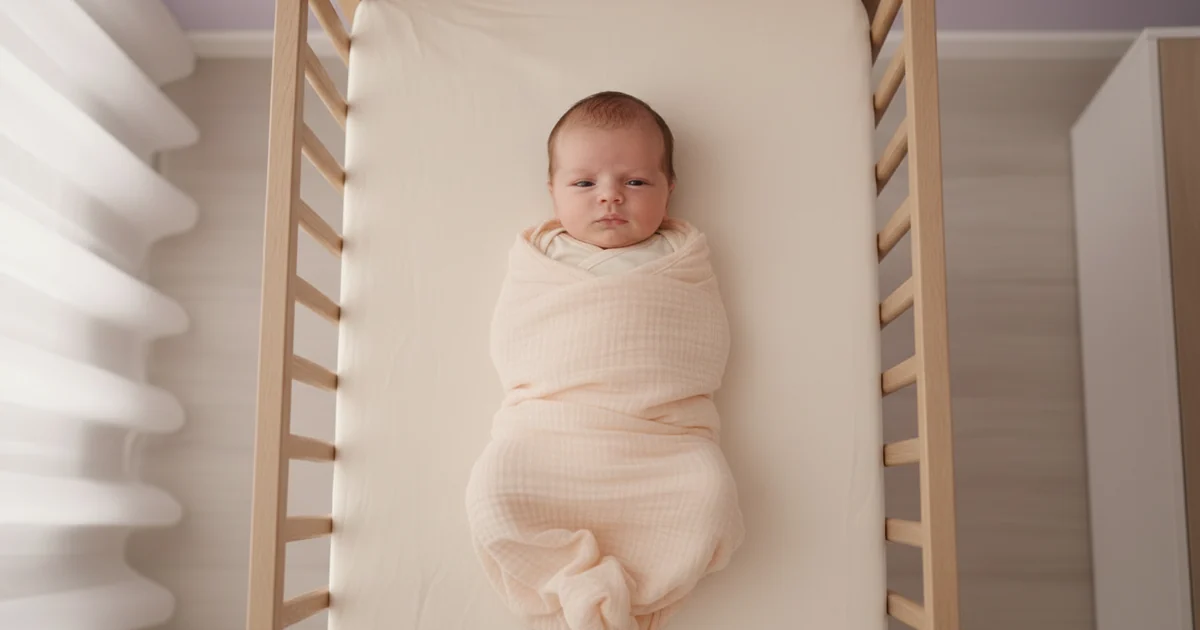
The most important detail complementing a safe crib environment is the baby's sleeping position. For every sleep – whether night or day – you must always place the baby on their back. Sleeping on their stomach or side significantly increases the risk of SIDS. Some babies may not like sleeping on their back, but adhering to this rule is essential for safety.
Once the baby learns to roll freely from tummy to back and back to tummy, if they roll onto their stomach in their sleep, there is no need to turn them back. At this stage, their neck muscles are strong enough to turn their head. However, you should always place them on their back when putting them in the crib.
Swaddling can soothe a baby, but it is important to do it safely. Swaddle only before the baby starts attempting to roll. As soon as you see the first signs of rolling (attempting to turn to the side), you must stop swaddling immediately. A swaddled baby who rolls onto their stomach has difficulty turning back because their arms are not free, creating a risk of suffocation.
Crib Placement in the Room and Environment
The crib's position in the room is as important as its structure. Proper placement ensures the baby's comfort and safety.
- Keep the crib away from direct sunlight, heat radiators, air conditioner drafts, or other heating/cooling sources. The room temperature should be comfortable for adults. Avoid over-dressing the baby or overheating the room. You can check their temperature by touching the back of their neck; if they are sweaty, it means it's too hot.
- Choose a spot away from windows and especially from curtain or blind cords. These cords are a serious suffocation hazard for babies.
- Place the crib at a safe distance from walls or other furniture to prevent the baby from getting trapped between them as they grow.
- Do not smoke in the baby's bedroom or at home. Secondhand smoke is one of the main factors increasing the risk of SIDS.
When to Contact a Doctor?
If you have concerns about your baby's sleep habits, do not hesitate to talk to your doctor or nurse. It is especially important to seek medical attention in the following cases:
- If the baby experiences difficulty breathing during sleep (pauses in breathing, wheezing, rapid or labored breathing).
- If a baby younger than 3 months has a rectal temperature of 38°C or higher, this may be a situation requiring urgent medical attention. Contact a doctor immediately.
- If the baby's skin, lips, or nails turn blue or pale.
- If it is harder than usual to wake the baby or if they are excessively lethargic.
Remember, an app or tracker alone cannot diagnose. Trust your parental instincts and seek professional advice in any situation you suspect.
Keep Related Notes with Anacan in One Place
Remembering daily details can be tiring. With Anacan's available tools, you can record the following information and share it more clearly at your next doctor's appointment:
- Sleep history: Track daily rhythm by recording sleep start and end with a timer. The app does not monitor breathing during sleep and does not replace safe sleep guidelines.
- Hospital bag: Use the Hospital Bag tool's checklist and add items required by your hospital.
Feeding, sleep, and diaper records can be shared in the Doctor's Report. Available access and Premium terms for tools apply. Do not delay medical assistance to record an urgent symptom in the app.
Frequently Asked Questions
Can I use a pillow in the baby's crib?
No, it is absolutely not recommended to use pillows for babies up to 1 year of age. Pillows can obstruct airflow around the baby's head and increase the risk of suffocation. The crib should only contain a firm, flat mattress and a fitted sheet that fits snugly.
What is the safest sleep position for a baby?
It is safest to always place the baby on their back for every sleep, whether night or day. This significantly reduces the risk of sudden infant death syndrome (SIDS). Once the baby learns to roll freely in both directions, they may change their position in their sleep, but you should always place them on their back.
What items should not be in the crib?
The inside of the crib should be completely empty. Items such as pillows, blankets, quilts, soft toys, bumper pads, or baby nests increase the risk of suffocation and SIDS. Instead of a blanket, a sleep sack can be used to keep the baby warm.
How long should I have my baby sleep in my room?
It is recommended that the baby sleeps in the same room as their parents, but in their own separate, safe crib, for the first 6 months. Some organizations recommend extending this period up to 1 year. This can reduce the risk of SIDS by up to 50% and facilitates nighttime care.