Baby care
Newborn Jaundice: A Parent's Guide
Newborn jaundice is a common condition that always requires medical evaluation. Learn about its causes, dangerous signs, and proper care guidelines.
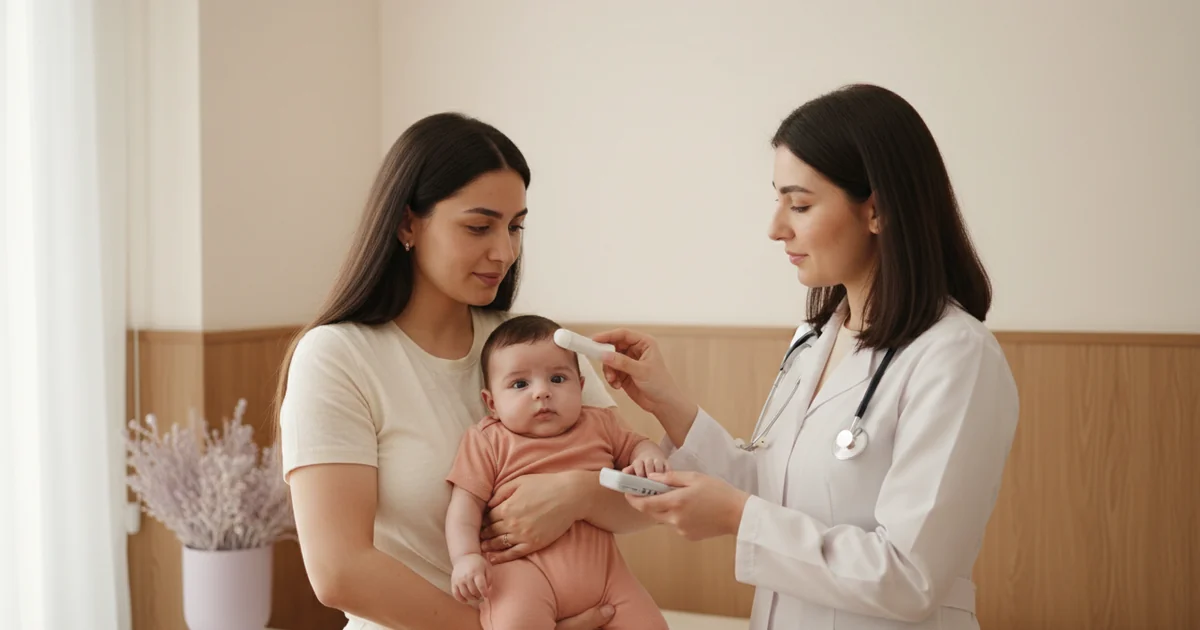
You've brought your baby home, but after a few days, you notice a yellowish discoloration on their skin or the whites of their eyes. This sight naturally worries many new parents. This condition is called newborn jaundice and is quite common in babies.
While newborn jaundice is often temporary and harmless, it should never be ignored. Every case of jaundice absolutely requires medical evaluation and measurement of bilirubin levels. It is impossible and potentially dangerous to determine the severity of jaundice based solely on skin color, its spread, or the number of wet diapers. Let's explore in detail why this process occurs, in which cases medical intervention is crucial, and how you can support your baby during this period.
Why Does Jaundice Occur? The Role of Bilirubin
While in the womb, babies need more red blood cells (erythrocytes) to efficiently carry oxygen. After birth, as the baby's lungs begin to function, these extra cells are no longer needed and naturally start to break down. During this breakdown process, a yellow pigment called bilirubin is produced.
An adult's liver easily processes this bilirubin and excretes it from the body. However, a newborn baby's liver is not yet fully mature and cannot perform this process at the same speed. As a result, the accumulated bilirubin in the blood causes the skin, mucous membranes, and eyeballs to turn yellow. The speed of this process and the level of bilirubin in the blood are key factors that determine the type of jaundice and whether treatment is needed.
Types of Jaundice: Physiological and Pathological Jaundice
The vast majority of jaundice seen in newborns is called physiological jaundice. This is part of the baby's adaptation process to new life. The main characteristics of physiological jaundice are:
- It usually begins 24 hours after birth, i.e., on the 2nd or 3rd day.
- Bilirubin levels typically peak around the 4th-5th day.
- As the baby's liver begins to work more efficiently and they feed regularly, it gradually subsides, usually within 1-2 weeks.
However, in some cases, jaundice can be a sign of a more serious health problem. This is called pathological jaundice and requires urgent medical intervention. Some signs of pathological jaundice include:
- Early onset: Appearing within the first 24 hours after birth.
- High levels: Bilirubin levels rising very rapidly and to dangerous levels.
- Prolonged duration: Lasting longer than 14 days in full-term babies and longer than 21 days in premature babies (prolonged jaundice).
- Other causes: Blood group incompatibility (Rh or ABO incompatibility between mother and baby), infections, liver problems, or certain genetic diseases can cause pathological jaundice.
Jaundice can worsen in babies who do not receive enough milk. In such cases, an effective feeding plan is crucial, but feeding does not replace bilirubin testing and necessary phototherapy. The cause of prolonged jaundice may not always be dangerous; if it persists after 14 days in full-term babies or 21 days in premature babies, it should be evaluated by a doctor.
Danger Signs: When to Seek Immediate Medical Attention?
If you notice any signs of jaundice in your newborn, it is important to inform your pediatrician or the birthing medical staff that same day to assess the situation. The following situations require urgent medical attention, and you should contact a doctor immediately:
- Jaundice started within the first 24 hours after birth. This always requires urgent evaluation.
- The yellowing is increasing, the skin color is becoming darker yellow or orange, especially spreading to the arms and legs.
- The baby is very lethargic and sleepy, difficult to wake, or does not wake to feed.
- The baby refuses to feed or sucks weakly.
- The baby's body temperature is 38°C or higher, or conversely, the body is very cold (below 36°C).
- The baby has difficulty breathing or pauses in breathing.
- The baby's muscle tone is abnormal (very floppy or, conversely, arching their body and neck unusually backward).
- Stools are very light-colored (chalky white) or urine is dark tea-colored (this can be a sign of a liver problem and it is important to contact a doctor the same day).
- The baby's urine output has decreased (fewer than 5 wet diapers per day after day 6).
The doctor will perform a test to measure bilirubin levels, either with a special device on the skin or with a blood test. The necessity of treatment is determined based on the baby's age (in hours), gestational week, weight, and other risk factors. The main treatment method is phototherapy (light therapy). In very rare and severe cases, a blood transfusion may be required.
Support at Home: Proper Feeding and Monitoring
Once a serious condition has been ruled out by a doctor, the most effective way to manage physiological jaundice is to ensure the baby feeds frequently and adequately. Feeding increases bowel activity and helps excrete bilirubin through stool.
- Frequent feeding: Try to feed your baby every 2-3 hours, meaning typically 8-12 times within 24 hours. If the baby is sleepy, gently wake them to feed.
- Effective feeding: Ensure the baby latches correctly to the breast and sucks actively. This will ensure they receive enough milk. If needed, seek support from a lactation consultant.
- DO NOT give water or sugar water: Never give your baby water, sugar water, or other liquids without a doctor's prescription. This can fill their stomach, interfere with breastfeeding, reduce their feeding, and disrupt electrolyte balance.
- Do not treat with sunlight: Placing the baby in direct sunlight or by a window is not a safe substitute for medical phototherapy. The light dosage is uncontrolled and can cause burns, overheating, and dehydration. Necessary phototherapy is performed under medical supervision with specialized equipment.
Before discharge from the hospital, your doctor should assess the risk of jaundice and schedule a follow-up appointment for a few days later. Be sure to attend this appointment.
Importance of Monitoring Feeding and Diaper Count
Diaper count provides additional information about feeding and fluid intake but does not indicate bilirubin levels or that jaundice is safe. The number of wet diapers gradually increases in the first few days; from day 5 onwards, at least 6 well-soaked diapers in 24 hours is a useful guide. Stool frequency varies depending on the type of feeding and age. Follow your doctor's test and re-examination plan.
| Baby's Age | Number of Wet Diapers (minimum) |
|---|---|
| Day 1 | 1+ |
| Day 2 | 2+ |
| Day 3 | 3+ |
| Day 4 | 4+ |
| Day 5 and onwards | 6+ |
Remember that this table is only a guide and cannot be used to diagnose your baby's condition. If your baby's diaper count is less than these indicators or if you have any concerns about jaundice, be sure to consult your doctor.
Keep Related Notes in One Place with Anacan
Remembering daily details can be tiring. With Anacan's available tools, you can record the following information and share it more clearly at your next doctor's appointment:
- Feeding records: Record the side and duration of breastfeeding with a timer, and the volume of formula in ml. Duration does not measure the volume of milk consumed; discuss the records in conjunction with the baby's weight and clinical evaluation.
- Diaper records: Record the time of wet, soiled, and mixed diapers. This information can help the doctor assess feeding, but it does not independently diagnose dehydration or other illnesses.
- Doctor's appointments: Schedule doctor's appointments and vaccination dates in the calendar. Do not wait for the next appointment date if there are urgent signs.
- Growth charts: Enter weight, height, and head circumference measurements with the appropriate date and discuss growth dynamics with your pediatrician.
Feeding, sleep, and diaper records can be shared in the Doctor's Report. Available access and Premium terms for tools apply. In case of urgent signs, do not delay medical help to write a note in the app.
Frequently Asked Questions
What is newborn jaundice and why does it occur?
Newborn jaundice is when a baby's skin and eyes turn yellow. This happens due to an increase in a substance called bilirubin in the blood. Bilirubin is produced when red blood cells break down and is normally removed from the body by the liver. Since newborns' livers are not yet fully mature, this process can be slow, leading to jaundice.
How should I feed my baby during jaundice?
Feed your breastfed newborn typically 24 times in 8-12 hours, according to hunger cues and your doctor's plan. Formula volume and frequency are individually chosen. For a very sleepy baby who is difficult to wake, do not just try again; seek immediate medical help. Feeding does not replace necessary phototherapy.
When should I contact a doctor for jaundice?
Contact your pediatrician or birthing staff the same day you notice new jaundice. Jaundice starting within the first 24 hours must be evaluated immediately. Difficulty waking, poor feeding, a fever of 38°C or higher, or breathing problems are urgent. White stools and dark urine, or jaundice lasting longer than 14 days in full-term babies or 21 days in premature babies, should also be evaluated.
Can I treat my baby with sunlight at home?
No. Direct sunlight and window light are not safe substitutes for specialized medical phototherapy. The light dosage is uncontrolled, and the baby can get burned or overheat, leading to dehydration. Follow your doctor's instructions regarding bilirubin testing, feeding plan, and phototherapy if needed.