
Pregnancy
Peaceful Sleep Guide: How to Establish Your Baby's Sleep Routine
How is a baby's sleep schedule established? A scientific guide on Anacan about dark environments, managing overtiredness, and ideal sleep rituals.

"When will my baby sleep through the night?" is likely the very first question every mother asks her pediatrician in the early months. Sleep deprivation is not just fatigue; it is a serious factor that directly affects a mother's psychological health, milk production, and the bond she builds with her baby.
Remember: sleep is vital for the baby's physical growth (growth hormone is secreted during sleep), brain development, and for recording the information learned during the day into memory. Establishing a sleep schedule is not about robotizing the baby, but about helping them understand their body's biological clock (circadian rhythm). So, when should you start this process and what practical steps should you take?

1. When to start establishing a sleep schedule?
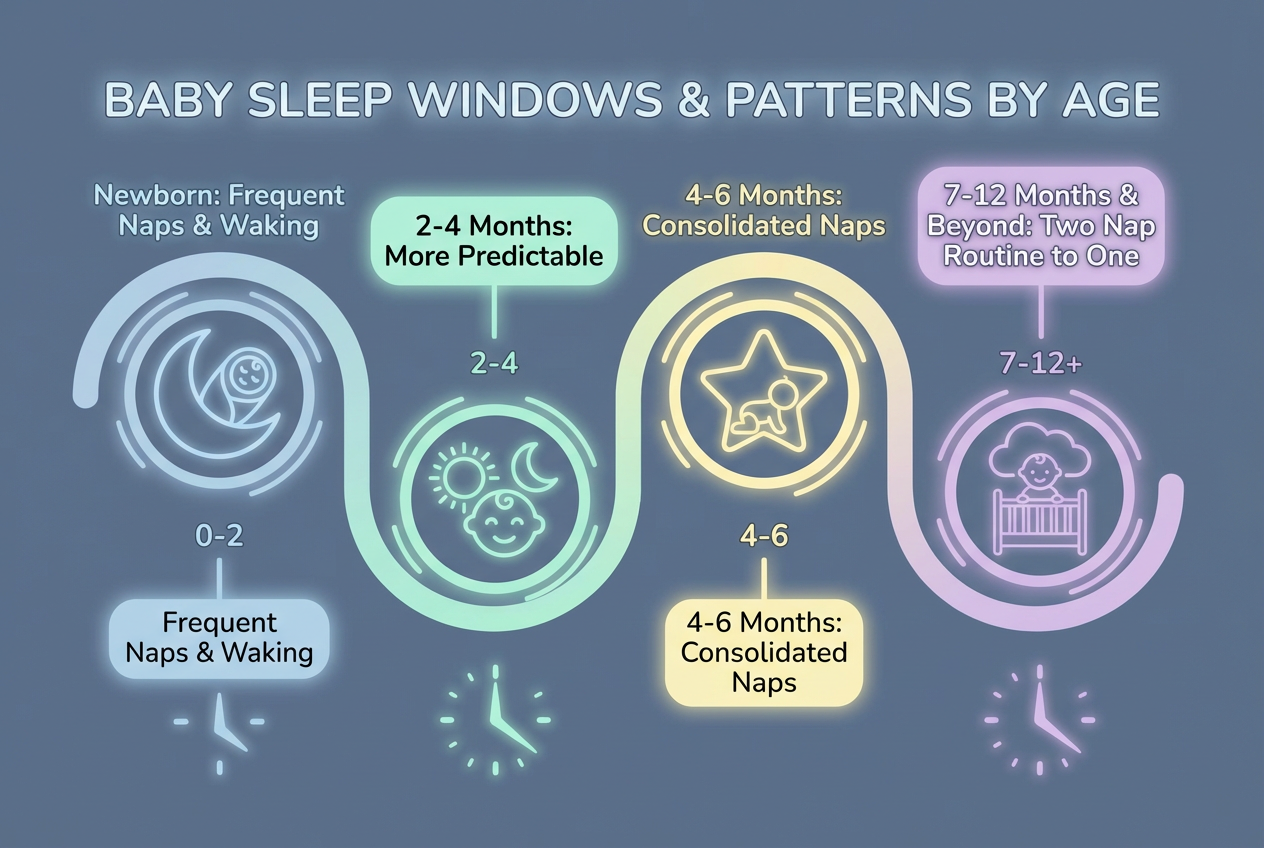
In the newborn period (0-2 months), the baby's brain cannot yet distinguish between day and night. Their sleep consists of 40-50 minute periods called "sleep cycles," and they often wake up at the end of each cycle. In this period, establishing a strict schedule is impossible and unnecessary.
Neurologically, a baby's biological clock (circadian rhythm) begins to form at approximately 6-8 weeks. From this period onwards, you can slowly teach them day and night by applying sleep rituals. From 3-4 months, it is possible to establish a more systematic sleep schedule.
2. Why is a sleep schedule so important?
A schedule is not just for the mother's comfort; it is necessary for the baby's emotional security. Babies feel more peaceful and safe when they know what will happen and when.
Regular sleep habits:
Send "calm down" signals to the baby's brain.
Reduce the risk of "overtiredness" (a tired baby secretes cortisol hormone and cannot fall asleep).
Allow the mother to plan her own time and rest.
3. Ideal sleep environment and rituals for the baby
The right sleep environment and rituals (wind-down routines) are the cornerstones that make it easier for the baby to fall asleep.
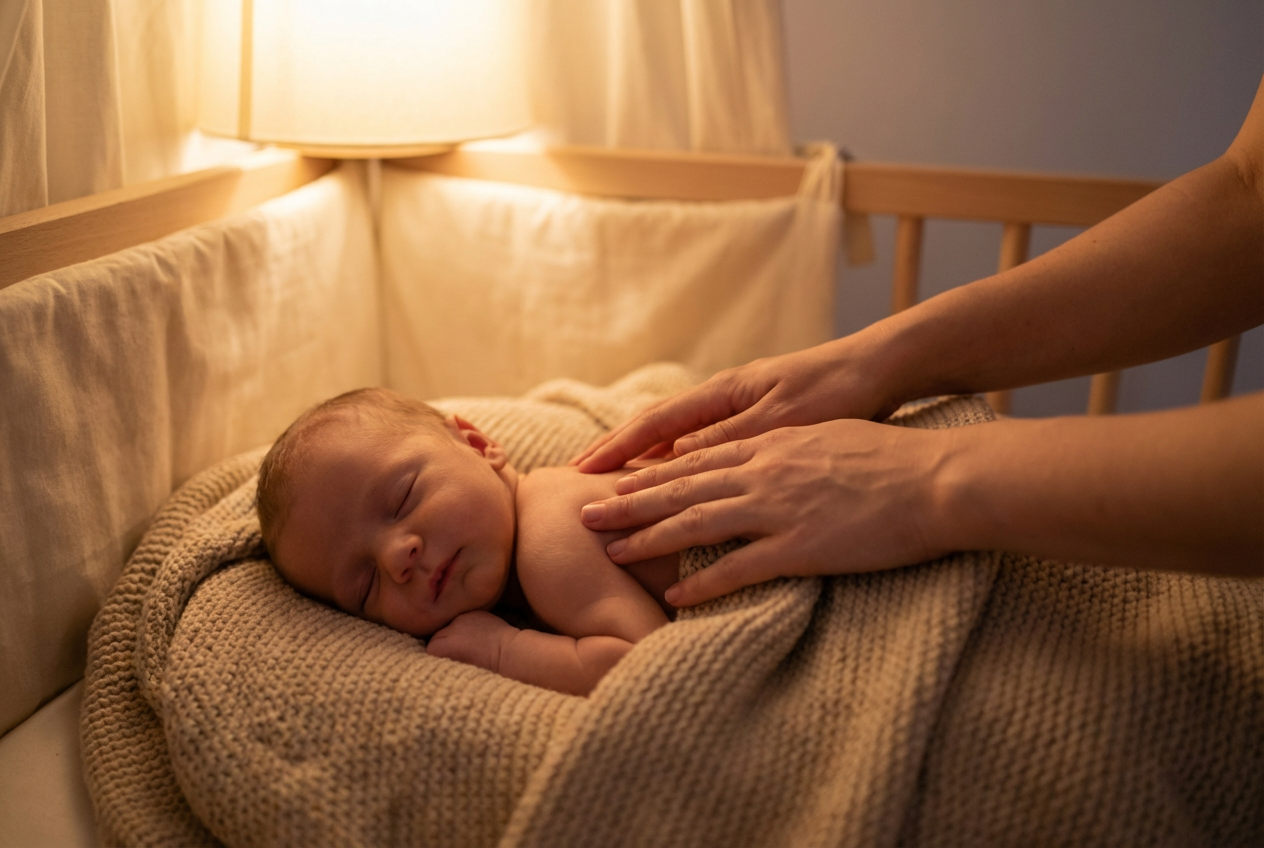
"Sleep rituals" (Bedtime routine): 20-30 minutes before sleep, always perform calming activities in the same order. For example: a warm bath, light massage, swaddling with a muslin wrap, breastfeeding (or formula) in dim light, a quiet lullaby, or a story. This sequence signals the baby's brain that "now is sleep time."
Dark environment: It is very important for the room to be completely dark for night sleep. Darkness stimulates the secretion of the sleep hormone melatonin. Darkening the room for daytime naps also helps extend the duration of sleep.
Silence or "white noise": Babies are prone to waking up in silent environments. White noise machines or toys drown out external street noises and calm the baby by reminding them of the humming in the mother's womb.
Temperature: Maintaining a room temperature of 18-22 degrees Celsius and ensuring the baby is not dressed too warmly (to prevent sweating) is important for sleep quality.

4. The "Sleep Window" concept and fighting "overtiredness"
To understand why your baby cannot fall asleep or wakes up frequently, you need to know the "sleep window" concept.
The "Sleep window" (Awake window) is the optimal time frame during which a baby can stay awake and fall asleep without getting overtired. For example:
In newborns (0-1 month): 45-60 minutes.
At 3-4 months: 1.5 - 2 hours.
At 6 months: 2.5 - 3 hours.
If you miss the baby's sleep window, they enter the "overtired" phase. During this time, the baby's body secretes stress hormones (cortisol and adrenaline). As a result, the baby becomes restless, cries, does not want to be put down, and you have to struggle for hours to get them to sleep.
Therefore, when establishing a schedule, focus not on the clock but on the duration the baby has been awake and their sleep signals (rubbing eyes, pulling ears, staring into the distance, yawning).
5. Tracking sleep schedule with Anacan
Remember that establishing a sleep schedule is a process that requires patience and time. By recording your baby's sleep durations in the "Sleep tracking" section of the Anacan app, you can monitor their individual sleep routine and navigate this period more easily. This way, you can provide your pediatrician with accurate, scientific information about their development. Anacan is always by your side!