Baby care
Baby Diaper Choice: The Importance of Comfort, Breathability, and Correct Size
Choosing the most suitable diaper for your baby's sensitive skin is crucial for ensuring their comfort and health. Softness, breathability, and the correct size are key criteria.
One of the main products that continuously touches your baby's body in the first years of life is the diaper. This product, in contact with the skin day and night, is not just a means to contain urine and feces; it acts as a "second skin" that directly determines your baby's comfort, sleep quality, and most importantly, skin health. Choosing the right diaper plays a crucial role in preventing problems such as diaper rash, redness, and discomfort.
Choosing among dozens of different brands and varieties on store shelves can be confusing. However, the process becomes easier when you understand the basic principles. There are three main criteria that parents should pay attention to: softness, breathability, and proper fit. These factors help create optimal conditions for your baby's healthy development, considering their sensitive skin. Remember that the most expensive diaper may not always be the best; the main thing is to find one that suits your baby's individual needs.
Softness and Material: Protecting Sensitive Skin
Baby skin is more sensitive and vulnerable to external influences than adult skin. The texture of the inner and outer surface of the diaper is therefore of great importance. Diapers made of harsh material can rub against the inner thighs and abdominal area with every movement of the baby, causing redness and discomfort. Soft materials reduce friction and protect the baby's skin.
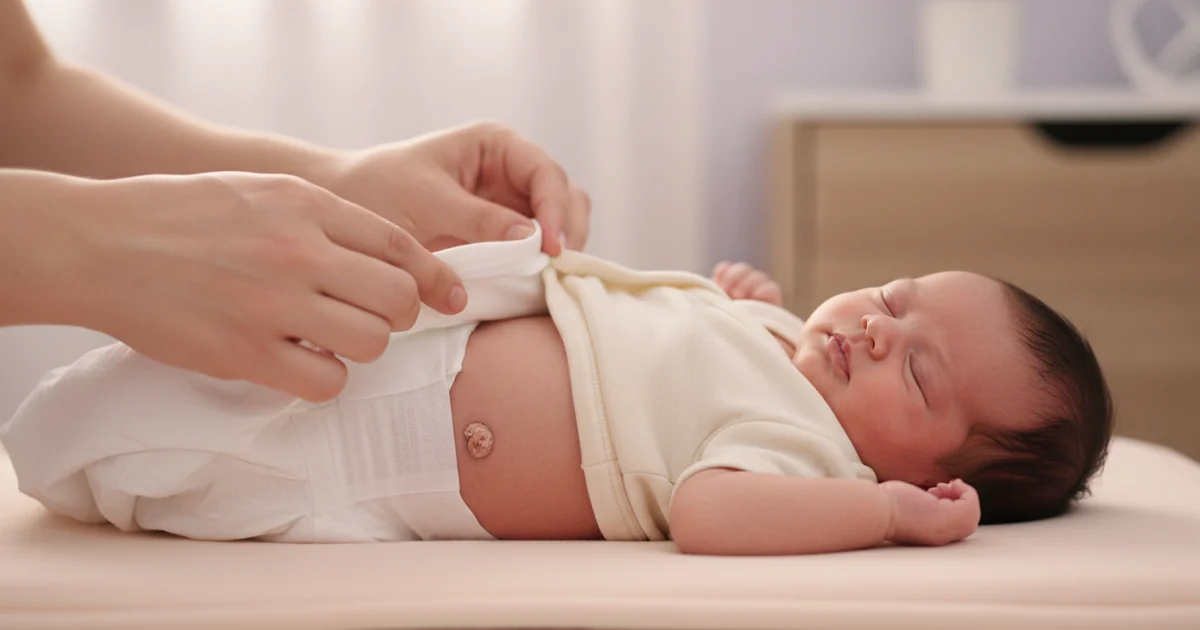
Choose a diaper that is soft, absorbent, appropriately sized, and tolerated by your baby's skin. Fragrance can be irritating, but "natural," "hypoallergenic," or expensive does not guarantee superiority. Disposable and properly cared-for cloth diapers can be suitable. Fold the top edge of the diaper below the navel to avoid rubbing against the umbilical stump. For a new brand, first try a small pack.
Breathability: The Strongest Defense Against Diaper Rash
Diaper rash primarily arises from a combination of three factors: moisture, heat, and friction. The breathability of the diaper helps minimize the impact of these factors. Diapers without airflow create a "greenhouse effect" inside. Ammonia from urine and feces can very quickly damage the skin barrier in this closed and warm environment.
Most modern diapers have a micro-porous outer layer that retains liquid inside but allows air and vapor to escape. This helps keep the baby's bottom drier and protects skin health. The wetness indicator (usually a color-changing strip) found in some diapers can be a useful aid, but this should not be an excuse to delay changing the diaper for a long time. The main thing is to regularly check the diaper's fullness and ensure the baby's comfort.
Correct Size and Fit: Preventing Leaks
Even the highest quality diaper will not be effective if it is not chosen in the correct size and does not fit the body perfectly. One of the main causes of leaks is choosing the wrong size. The weight ranges on diapers (e.g., 4-8 kg) are merely a guide. A tall and slender baby and a short and chubby baby of the same weight may require different sizes or brands.
- Signs of a small diaper: If the diaper leaves red marks on your baby's waist or thighs when removed, if the tabs are difficult to fasten, or if leaks occur frequently, it's time to move up a size.
- Signs of a large diaper: If there are large gaps around the waist of the diaper, if the leg openings are loose, and if the diaper slides down when the baby moves, the diaper is too large.
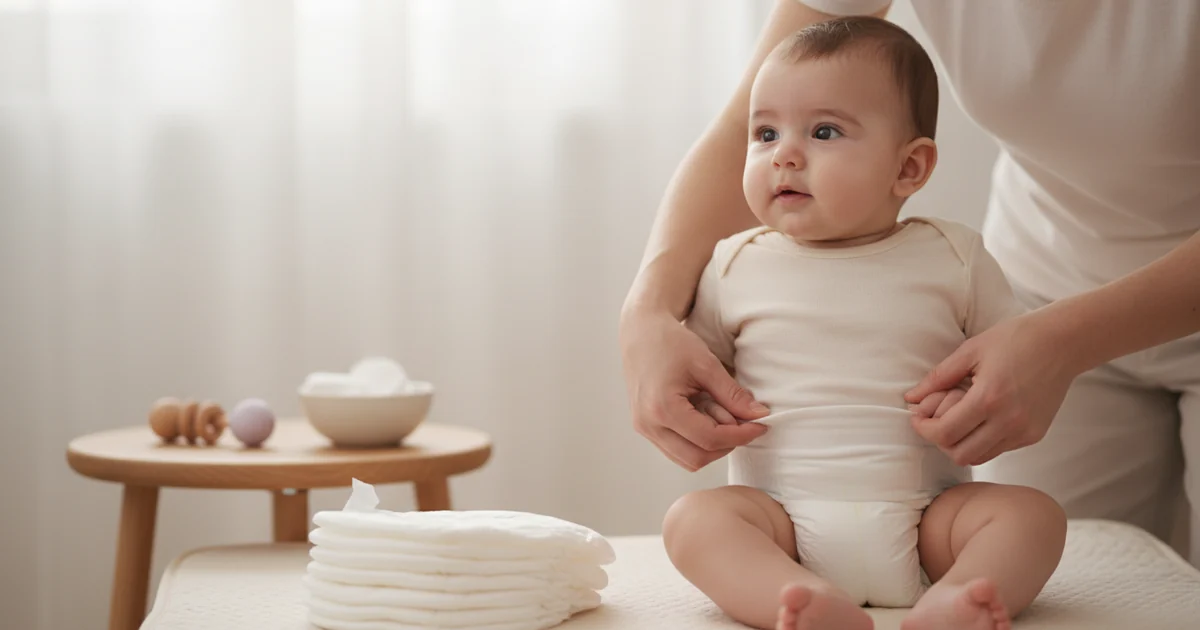
After fastening the diaper, you should be able to comfortably place two fingers between the waist of the diaper and your baby's tummy. This indicates that the diaper is neither too tight nor too loose. Also, make sure that the protective ruffles around the legs are always pulled outwards. Ruffles tucked inside can cause leaks.
Diaper Changing and Skin Care Routine
Even the best diaper loses its function if not changed in time. Regular diaper changes are essential to protect your baby's skin health.
The baby's diaper should be changed as soon as it is wet or immediately after a bowel movement. For newborns, this can be up to 10-12 times a day, and for older babies, 6-8 times a day. If the baby has had a bowel movement during sleep or the diaper is excessively full, it must be changed without waiting to avoid disturbing their sleep.
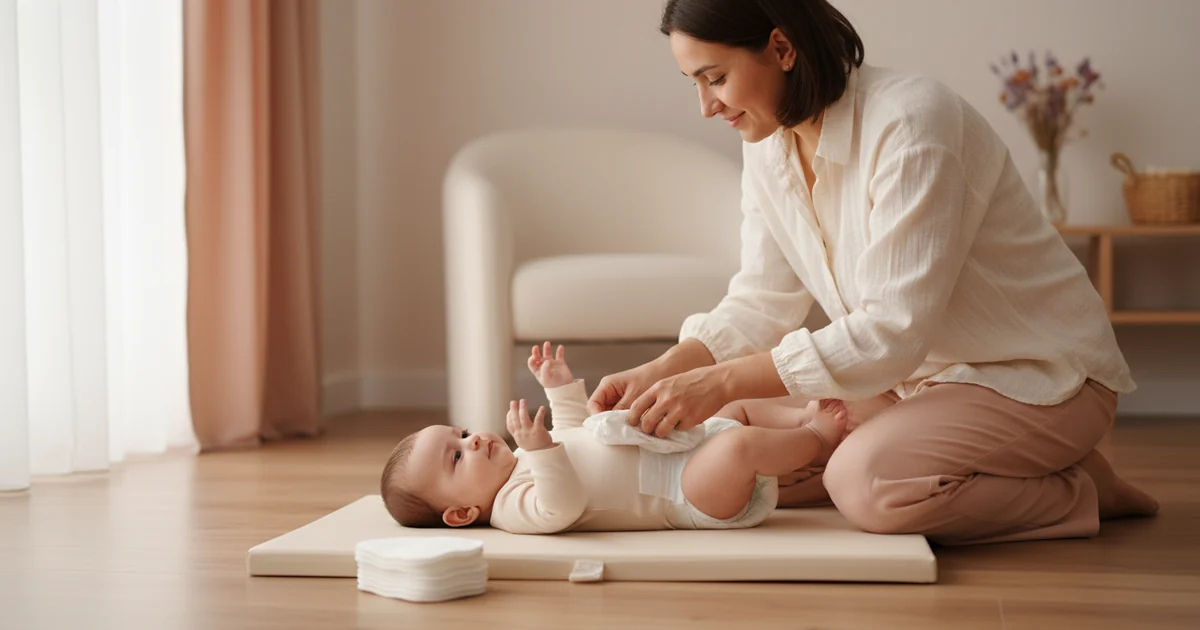
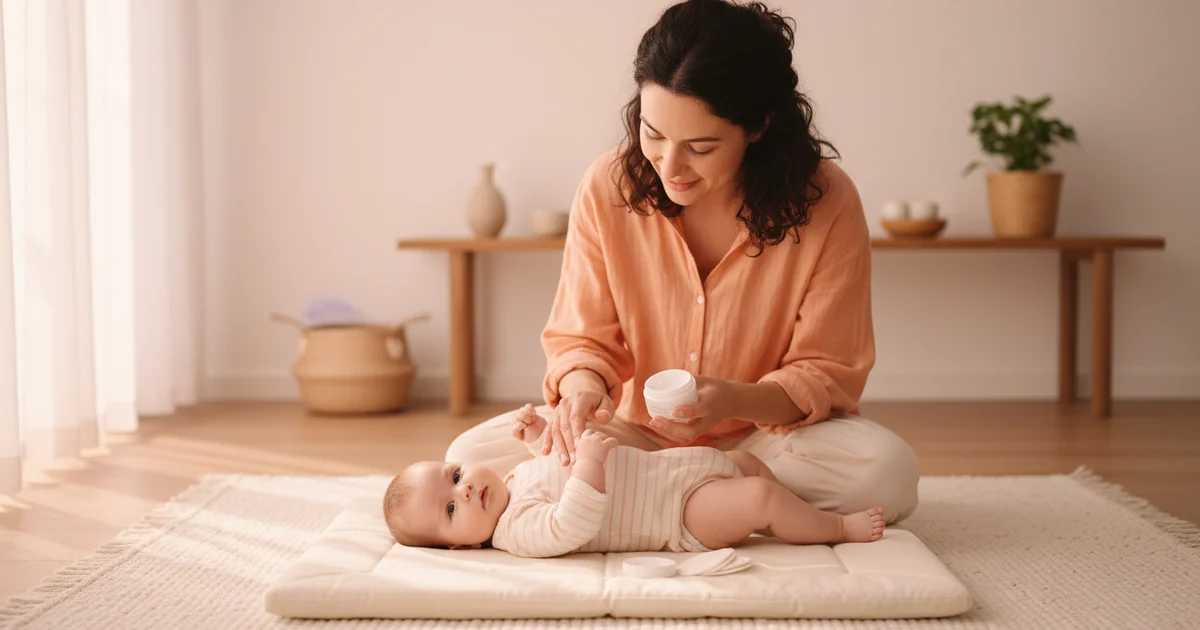
When changing the diaper, clean your baby's bottom with lukewarm water and cotton, or with fragrance-free, hypoallergenic wet wipes. For girls, always clean from front to back to reduce the risk of infection. Allow the skin to dry completely. Applying a protective diaper rash cream with each diaper change can create a barrier that protects the skin from moisture.
Safety is paramount: Never leave your baby unattended, even for a second, on a high surface like a changing table. Keep all supplies ready and within reach.
When to Consult a Doctor?
Mild redness and diaper rash usually clear up within a few days with proper home care. However, in some cases, it is important to consult a doctor:
- If the redness does not improve after 2-3 days or worsens.
- If bright red spots, open sores, blisters, or pus-filled pimples appear on the skin (this may be a sign of a fungal or bacterial infection).
- If the baby has a fever (especially in babies younger than 3 months, a temperature of 38°C or higher requires urgent medical attention).
- If the baby is very uncomfortable, cries from pain during diaper changes, or refuses to feed.
- If the rash spreads beyond the diaper area.
Keep Related Notes in One Place with Anacan
Remembering daily details can be tiring. With Anacan's available tools, you can record the following information and share it more clearly at your next doctor's appointment:
- Diaper logs: Record the time of wet, soiled, and mixed diapers. This information can help the doctor assess feeding, but it does not diagnose dehydration or other illnesses on its own.
- Growth charts: Enter weight, height, and head circumference measurements with the appropriate date and discuss growth dynamics with your pediatrician.
Feeding, sleep, and diaper records can be shared in the Doctor's Report. Available access and Premium terms for tools apply. Do not delay medical assistance to write a note in the application in case of an emergency.
Frequently Asked Questions
How often should a baby's diaper be changed?
It is recommended to change the baby's diaper as soon as it is wet or immediately after a bowel movement. For newborns, this can be 10-12 times a day, and for older babies, 6-8 times a day. If the baby has had a bowel movement during sleep or the diaper is excessively full, it must be changed for skin health without disturbing their sleep.
How can I tell if the diaper is the correct size?
After fastening the diaper, you should be able to comfortably place two fingers between the waist of the diaper and your baby's tummy. If it doesn't fit, the diaper is too small; if there's too much space, it's too large. Also, the diaper should not leave red marks on your baby's skin, and the protective ruffles around the legs should always face outwards to prevent leaks.
What should I do to prevent diaper rash?
To prevent diaper rash, choose diapers made of breathable material, change your baby's bottom frequently, clean the skin with lukewarm water each time you change, and allow it to dry completely. Applying a thin layer of zinc-based protective cream with each diaper change can create a barrier that protects the skin from moisture.
When should I consult a doctor about diaper rash?
If the redness does not improve or worsens after 2-3 days despite home care, if open sores, blisters, or pus-filled pimples appear on the skin, if the baby has a fever (especially in babies younger than 3 months, a temperature of 38°C or higher requires urgent medical attention), or if the baby is very uncomfortable, it is important to consult a doctor.