Baby care
Baby Diaper Changing: Skin Health and Rash Prevention
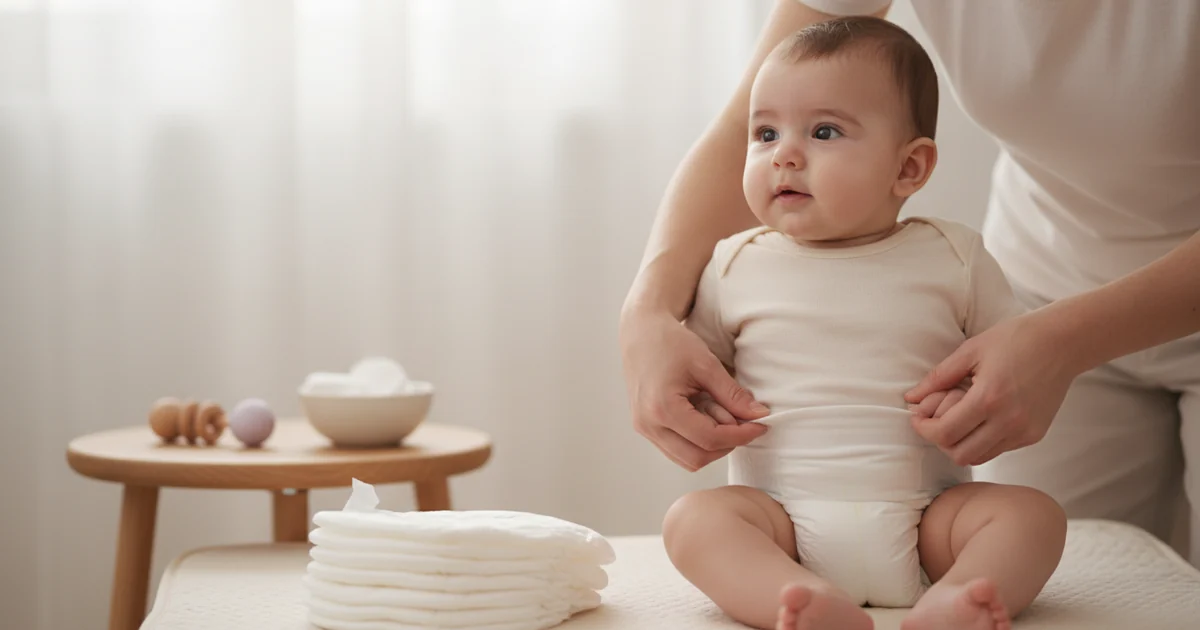
Diaper changing frequency and proper techniques play a crucial role in protecting a baby's sensitive skin and preventing diaper rashes.
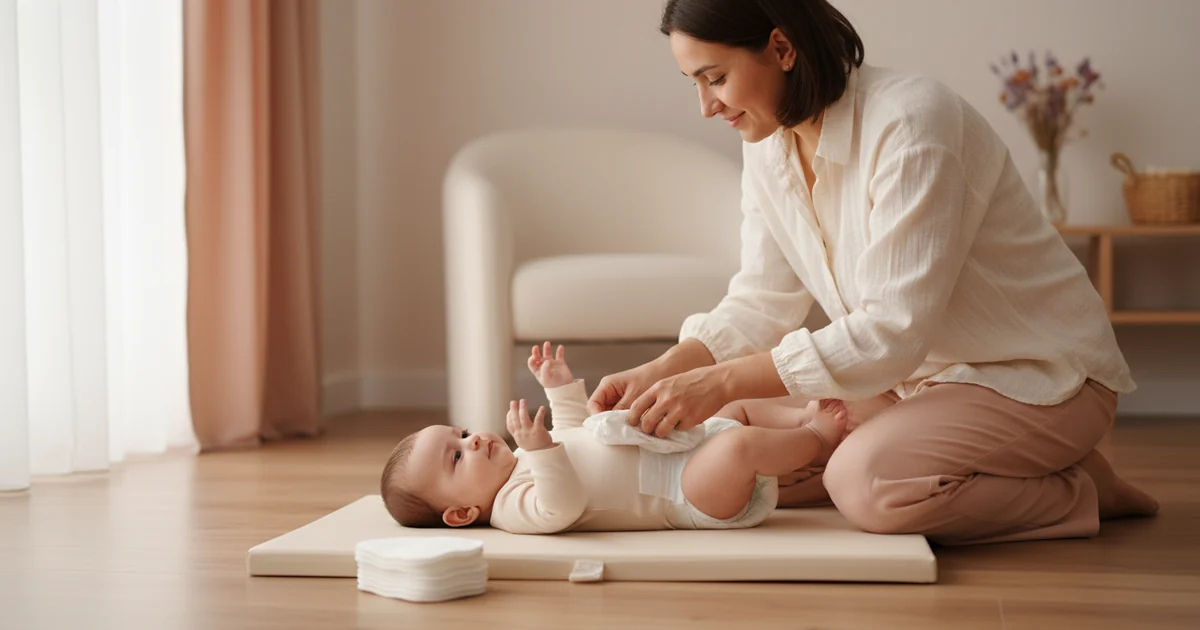
One of the most fundamental and daily routines in baby care is, undoubtedly, changing diapers. Although it may seem like a simple household chore at first glance, changing diapers on time and correctly is vital for your baby's health. The frequency of diaper changes and hygiene rules play a significant role in protecting your baby's sensitive skin and preventing unpleasant redness, i.e., diaper rash.
In this article, we will explain in detail why baby skin is so sensitive, how diaper rash develops, and what steps you need to take to protect against it. We will also look at how the Anacan app can simplify this daily routine. Remember, your baby's comfort and health are in your hands.
Why is Baby Skin So Sensitive?
Newborn babies' skin is thinner, more sensitive, and more defenseless against external influences compared to adult skin. Their skin's protective barrier has not yet fully developed, which makes it more susceptible to infections and irritation. When these skin characteristics are combined with moisture and warmth in the diaper area, they create ideal conditions for the development of diaper rash.
- Weak Protective Barrier:Since the skin's natural protective barrier is not yet fully formed, it has difficulty retaining moisture and protecting itself from external irritants.
- High Humidity:The diaper area remains constantly moist and warm, creating a favorable environment for the proliferation of bacteria and fungi.
- pH Balance:The pH level of baby skin is different from adults' and can easily change under the influence of urine and feces, which weakens the skin's protective function.
- Friction:The rubbing of the diaper against the skin, especially in active babies, can cause mechanical irritation.
How Does Diaper Rash (Dermatitis) Develop?
Diaper rash, medically known as diaper dermatitis, is one of the most common skin problems in babies. This condition is characterized by redness, irritation, and sometimes pain in the diaper area. The main causes of diaper rash are:
- Prolonged Contact:When ammonia in urine and enzymes in feces remain in contact with the skin for a long time, they damage the skin's natural protective barrier and cause irritation.
- Moist Environment:The moist and warm environment inside the diaper creates ideal conditions for the rapid proliferation of bacteria and fungi (especially Candida). These microorganisms cause inflammation of the skin.
- Dietary Changes:Changes in a baby's diet (e.g., transitioning to solid foods, introducing new foods) can alter stool composition, which may lead to diaper rash. Antibiotic use can also disrupt gut flora, paving the way for rashes.
- Sensitive Skin and Chemical Irritants:Some babies have more sensitive skin than others. Additionally, fragrances and chemicals in certain diapers or wet wipes can cause irritation.
Golden Rules for Diaper Changing
To keep your baby's skin dry, healthy, and rash-free, it's enough to follow these simple yet crucial rules:
1. Check Frequently and Change Immediately
Check your baby's diaper frequently. A soiled diaper should be changed immediately, and a wet diaper as soon as possible. Leaving a dirty diaper on for a long time is a major risk factor for skin irritation. For newborns, the number of wet diapers indicates adequate feeding: approximately one wet diaper on the first day, two on the second day is normal, and this number should reach at least six per day by the fifth day. Diaper changing frequency varies with the baby's age and feeding. If the baby has had a bowel movement at night, it is important to wake them up and change it immediately. If there is only urine, highly absorbent night diapers can help keep the skin dry, but this requires an individual approach based on each baby's skin sensitivity.
2. Gentle and Thorough Cleaning
When changing a diaper, the best way to clean the skin is to use lukewarm running water or a soft cotton cloth soaked in water. If it is necessary to use wet wipes, choose hypoallergenic ones that are alcohol- and fragrance-free. During cleaning, especially for girls, movements should always be from front to back to prevent infections.
3. Complete Drying and Air Baths
After cleaning, it is very important to dry the skin completely. Instead of rubbing the skin, gently pat it dry with a soft towel. Ensure all skin folds are dry. Giving your baby "air baths" (being diaper-free) for 5-10 minutes during each diaper change or several times a day helps the skin breathe and heal naturally. Remember, never leave your baby unattended on a high surface like a changing table.
4. Correct Use of Barrier Creams
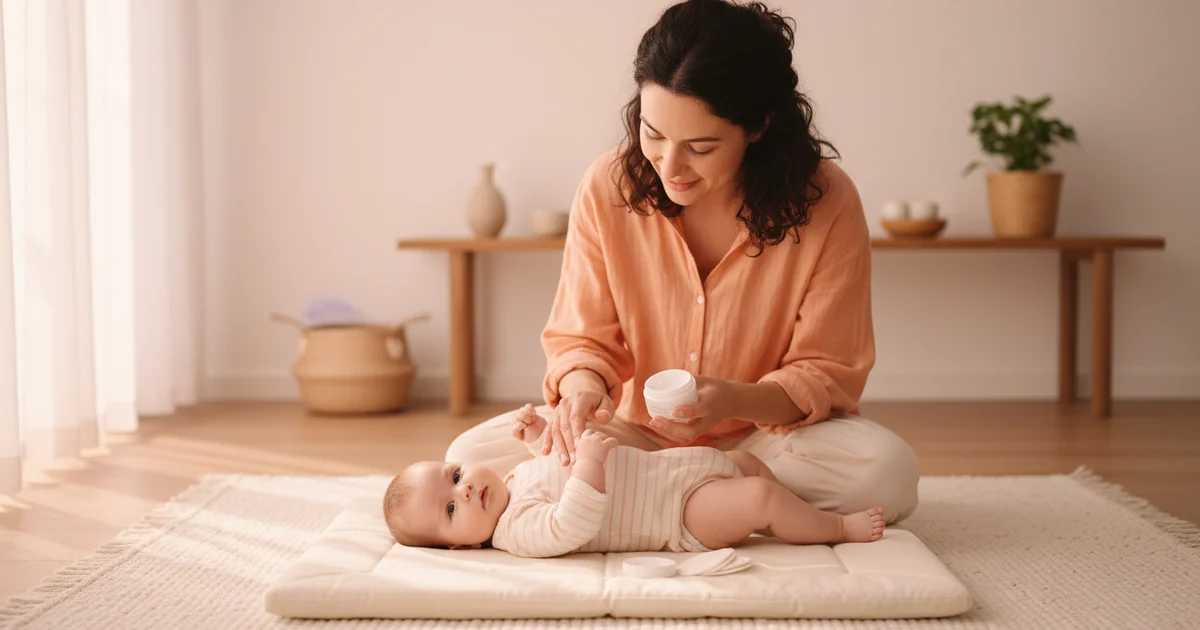
You can use barrier creams to prevent diaper rash or to heal mild redness. Creams containing zinc oxide or petrolatum (Vaseline) create a thin barrier on the skin, protecting it from moisture and irritants. Apply the cream in a thin layer to clean and completely dry skin. Avoid using talcum powder, as its particles can enter the baby's respiratory tract. Also, do not use harsh antiseptic or steroid-containing ointments without medical advice.
When to Consult a Doctor?
Most diaper rashes improve within 2-3 days with proper home care. However, it is important to consult a doctor in the following cases:
- The rash does not improve within 2-3 days; instead, it worsens or spreads.
- Bright red spots, blisters, pus-filled pimples, or open sores appear on the skin.
- Fever is observed in the baby (especially in babies younger than 3 months, a temperature of 38°C or higher requires immediate medical attention).
- The baby is excessively restless, crying, and experiences pain when the diaper area is touched.
- If diarrhea or other signs of discomfort accompany the rash.
These symptoms may indicate a more serious problem, such as a fungal or bacterial infection, and may require specific treatment. It is not possible to diagnose with an app or by counting; only a doctor can make an accurate diagnosis.
Keep Anacan-Related Notes in One Place
Remembering daily details can be tiring. With Anacan's available tools, you can record the following information and share it more clearly at your next doctor's appointment:
- Diaper notes:Record the time of wet, soiled, and mixed diapers. This information can help the doctor assess feeding, but it does not, by itself, diagnose dehydration or other illnesses.
- Feeding notes:Record the side and duration of breastfeeding with a timer, and the volume of formula in ml. Duration does not measure the volume of milk consumed; discuss the notes in conjunction with the baby's weight and clinical assessment.
It is possible to share feeding, sleep, and diaper notes in the Doctor's Report. The available access and Premium terms of the tools apply. Do not delay medical help to write a note in the app for an urgent symptom.
Frequently Asked Questions
How often should I change my baby's diaper?
You should change your baby's diaper immediately when they have a bowel movement, and as soon as possible when it is wet with urine. For newborns, this can be up to 10-12 times a day. The main principle is to keep the skin clean and dry for as long as possible.
What creams can be used to prevent diaper rashes?
To prevent diaper rashes, it is recommended to use protective creams containing zinc oxide or petrolatum (vaseline). These creams create a protective barrier on clean and dry skin. Avoid talcum powder and harsh antiseptics without a doctor's prescription.
What hygiene rules should I follow when changing my baby's diaper?
When changing a diaper, it is best to clean the skin with lukewarm water and soft cotton. You can also use alcohol-free and fragrance-free wet wipes. For baby girls, always clean from front to back to reduce the risk of infection. After completely drying the skin, put on a new diaper.
When should I consult a doctor for a diaper rash?
If the rash does not improve or worsens despite home care within 2-3 days, spreads to other parts of the body, if the baby has a fever (in babies younger than 3 months, 38°C or higher), blisters, or pus-filled sores, contact a pediatrician immediately.